Place
Lastford Border Keep
The last garrison before the Ash Marches. Grain, iron, salt and silver still pass its gate; the crown's protection no longer does.

Ballads of Lastford Border Keep
Still we keep
Twelve sung ballads and a novel in progress, from the last garrison on the Ash Marches — where the king's road ends and the law thins with every mile.

The Novel — in progress
Lastford Border Keep · Book One
The ballads are what the Marches remember. The novel is what actually happened — told by the engineer's daughter who arrived on the back of a wagon and never left.
“The country had grown bleak over the past two days. The green fields and wooded hills had given way to bare grey ridges and broken volcanic stone. Ash lay across the road and gathered in every hollow.” Chapter One
The Songbook
Coming soon
The Chronicle
Place
The last garrison before the Ash Marches. Grain, iron, salt and silver still pass its gate; the crown's protection no longer does.
Order
Those who hold the keep. They ride at dusk, they keep no graves, and they ring no bells. Their whole creed is two words long.
Person
Feared across the wastes as a legend, remembered inside the walls as a cost. Four of the ballads follow him; one buries him.
Person
Captain of the keep, and the Wolf's closest friend. He gives the order anyway — spare him, and lesser men ride in his place, and the keep pays for it.
Person
An engineer's daughter, a midwife, a healer. Her hands will pull you back from death. They do not save you from what follows.
The Ash Marches
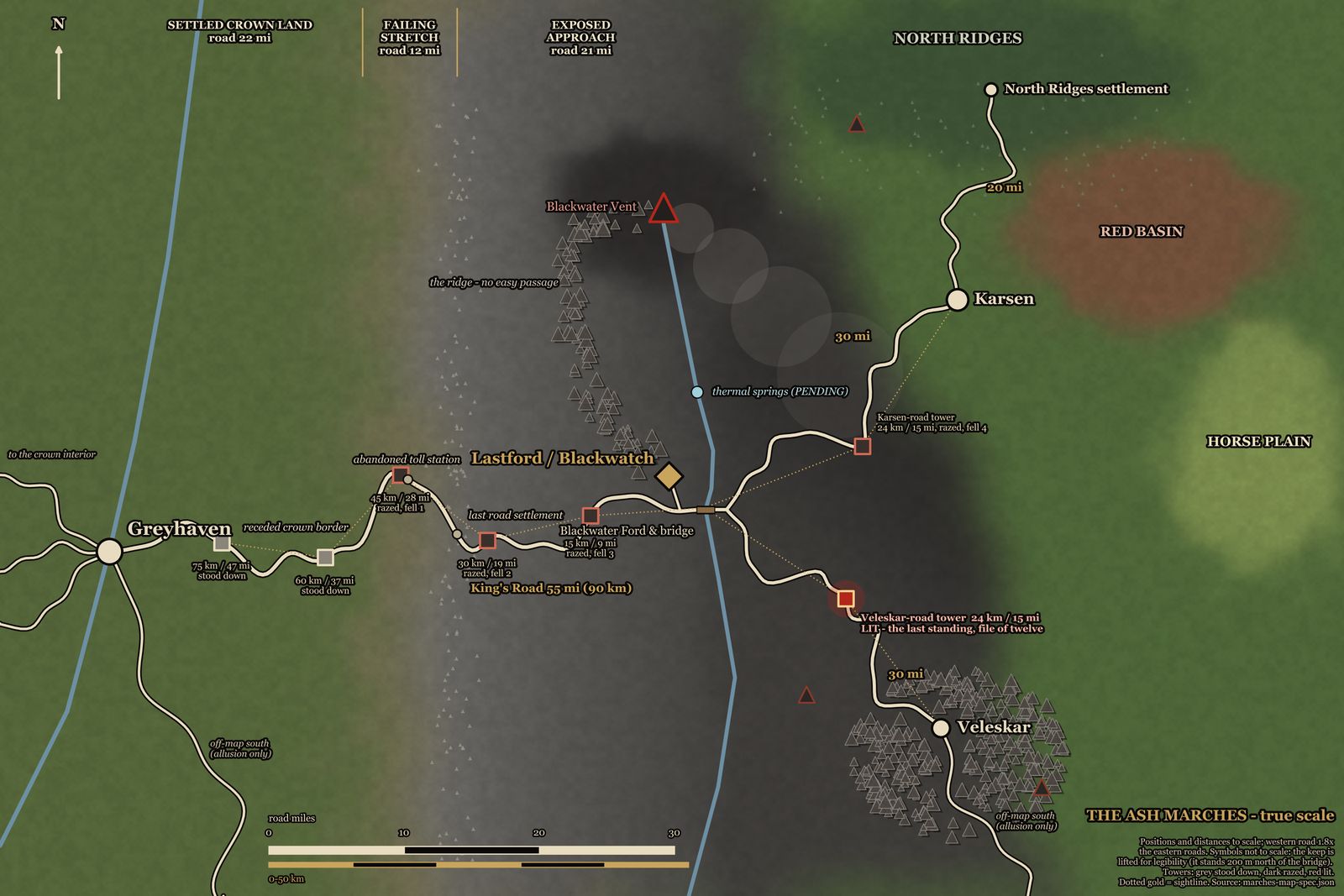
Fifty-five road miles from Greyhaven to the last garrison, and the green gives out a mile at a time. This is the Marches as the book opens.
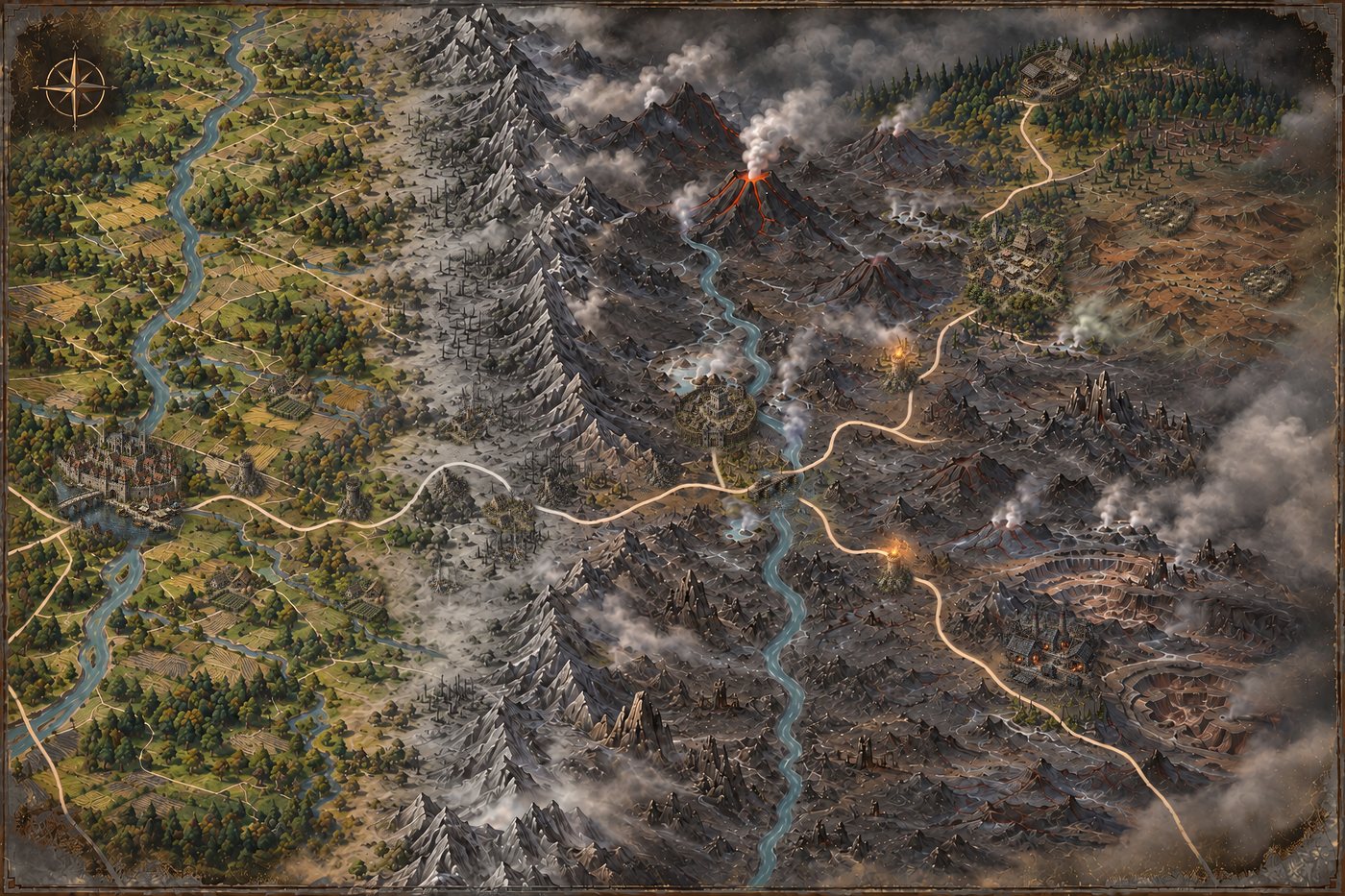
Hover over a place, or tap it, to read what the chronicle knows.
The Muster
Join the Watch
One letter per song — the lyrics, the artwork, and what the chronicle says about it. Nothing else, and never your name to anyone else.

The Workshop
The On AI page argues the why. This page shows the how: the wrong maps, the grey boxes, the faces that took four tries, and the rules that keep a machine honest inside a made world.
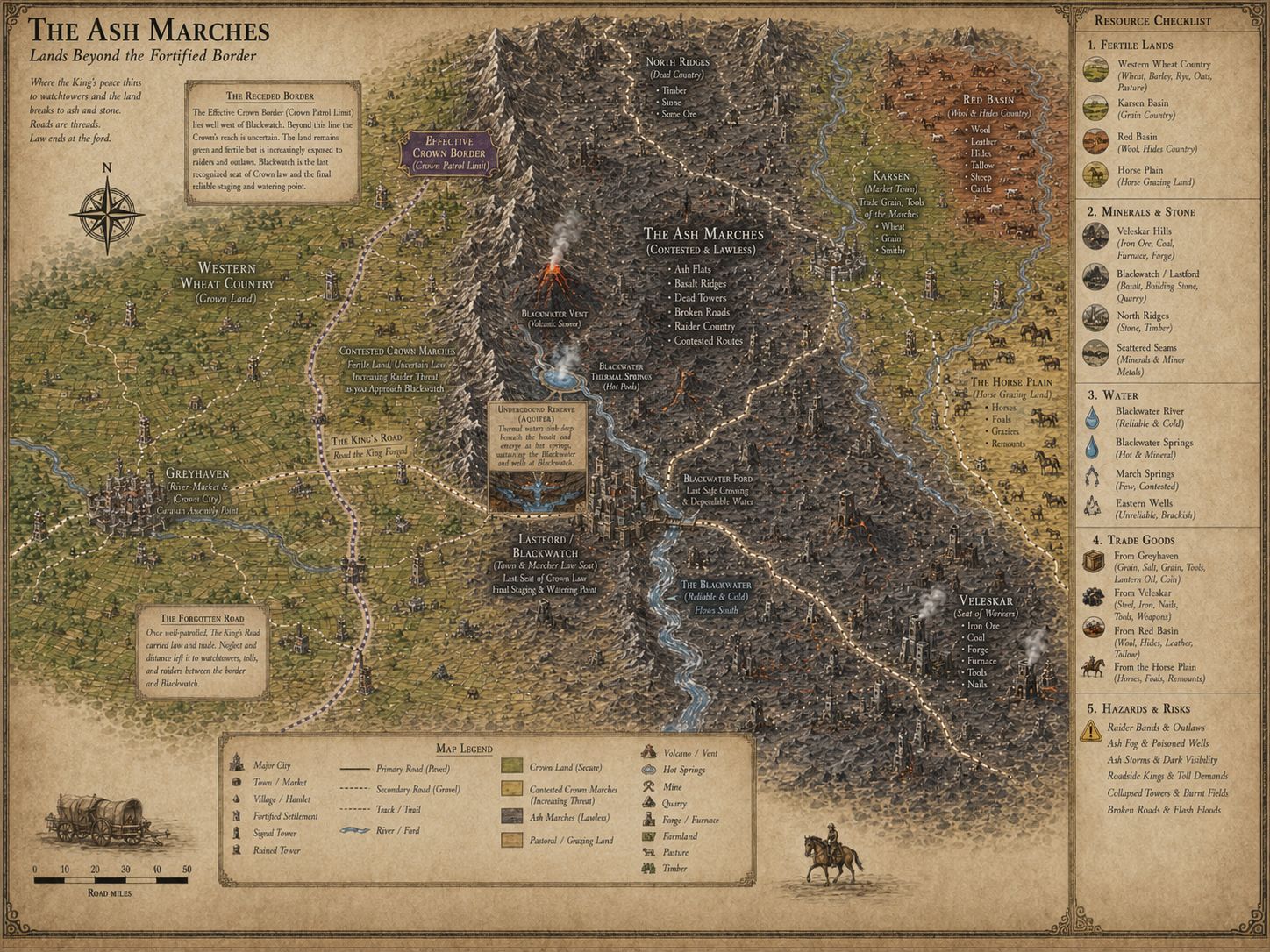
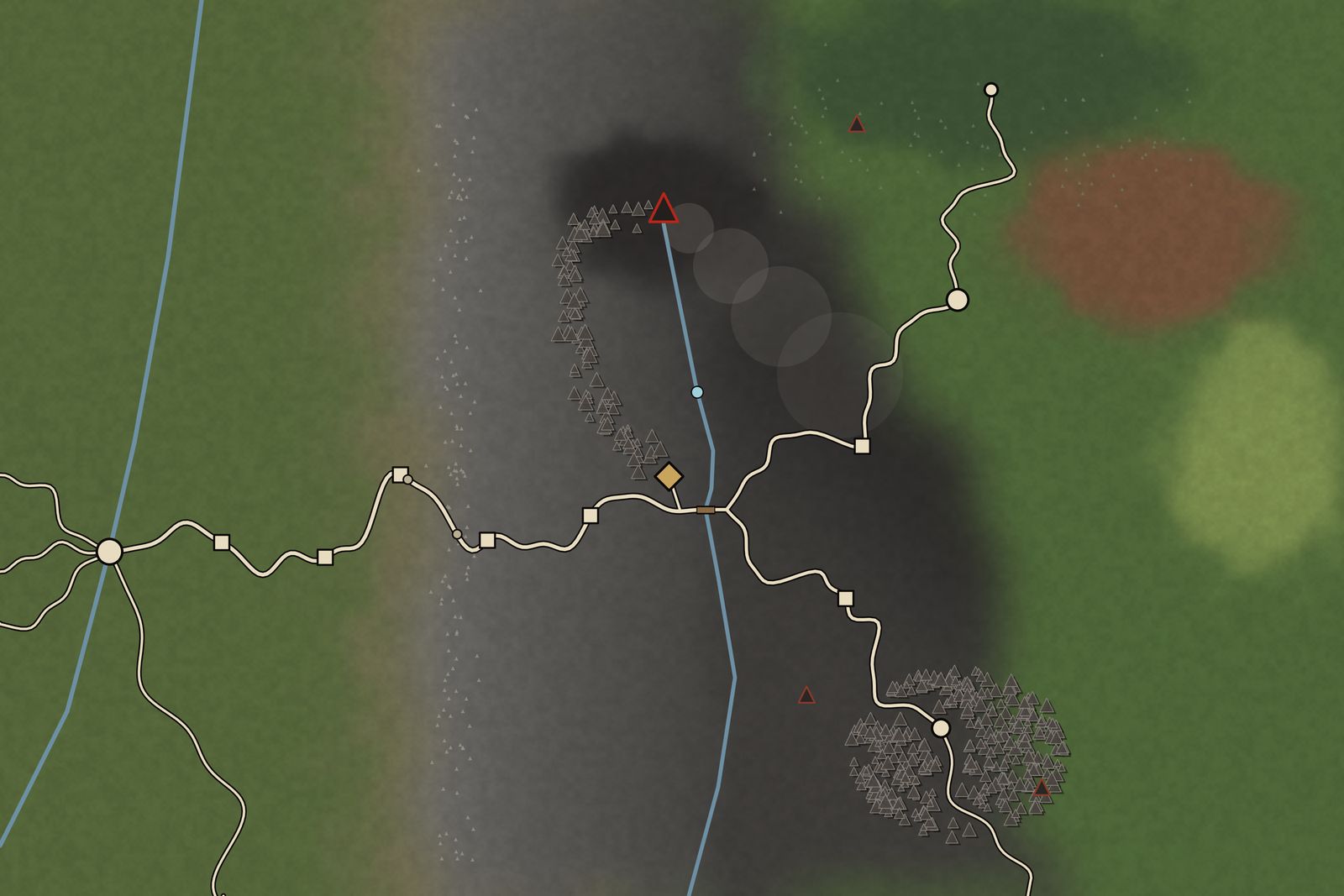
Image models paint beautifully and measure nothing. The first map of the Ash Marches was gorgeous and wrong — so the geometry moved out of the art and into a contract: every distance solved from canon, rendered as a layout the painting must obey.
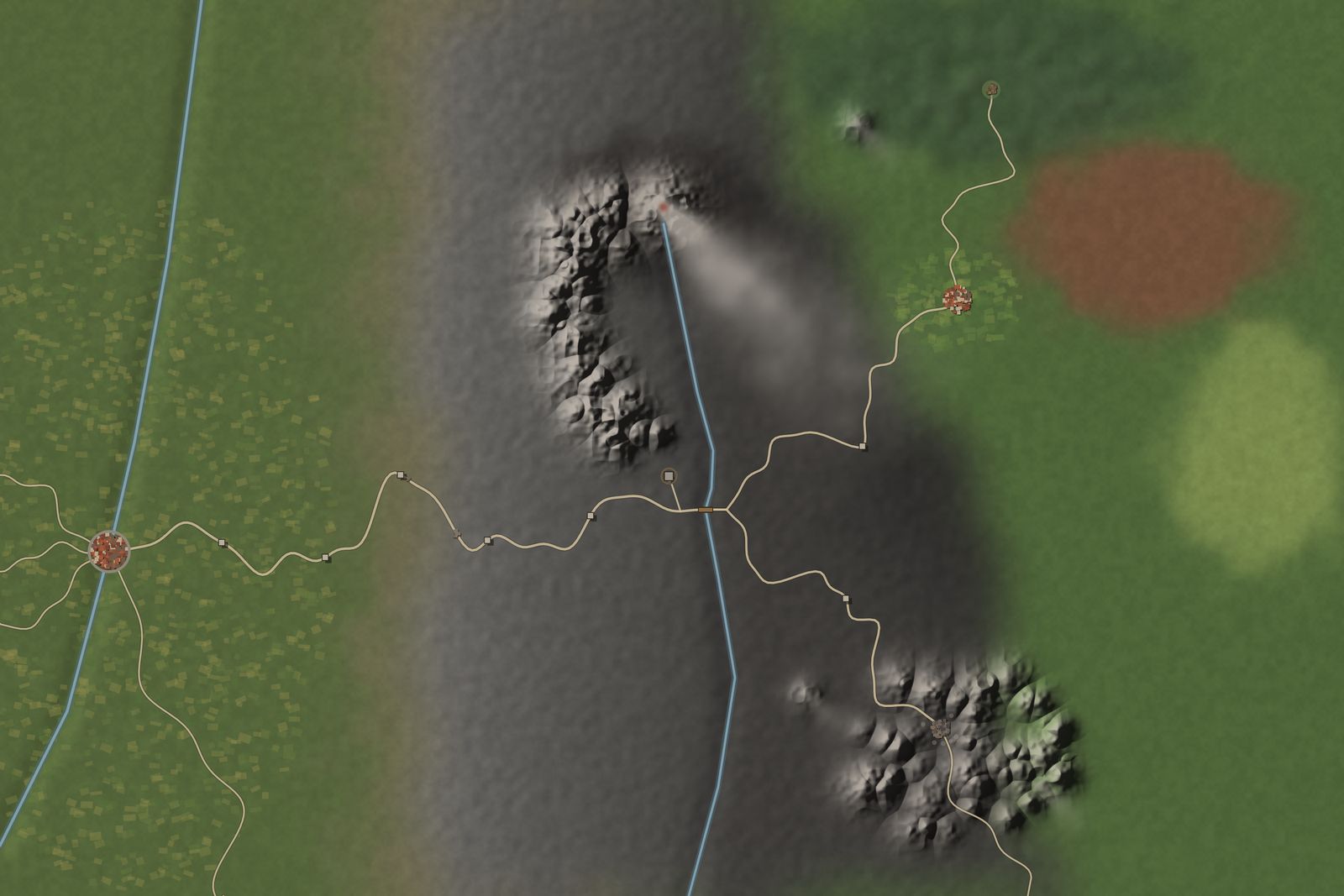
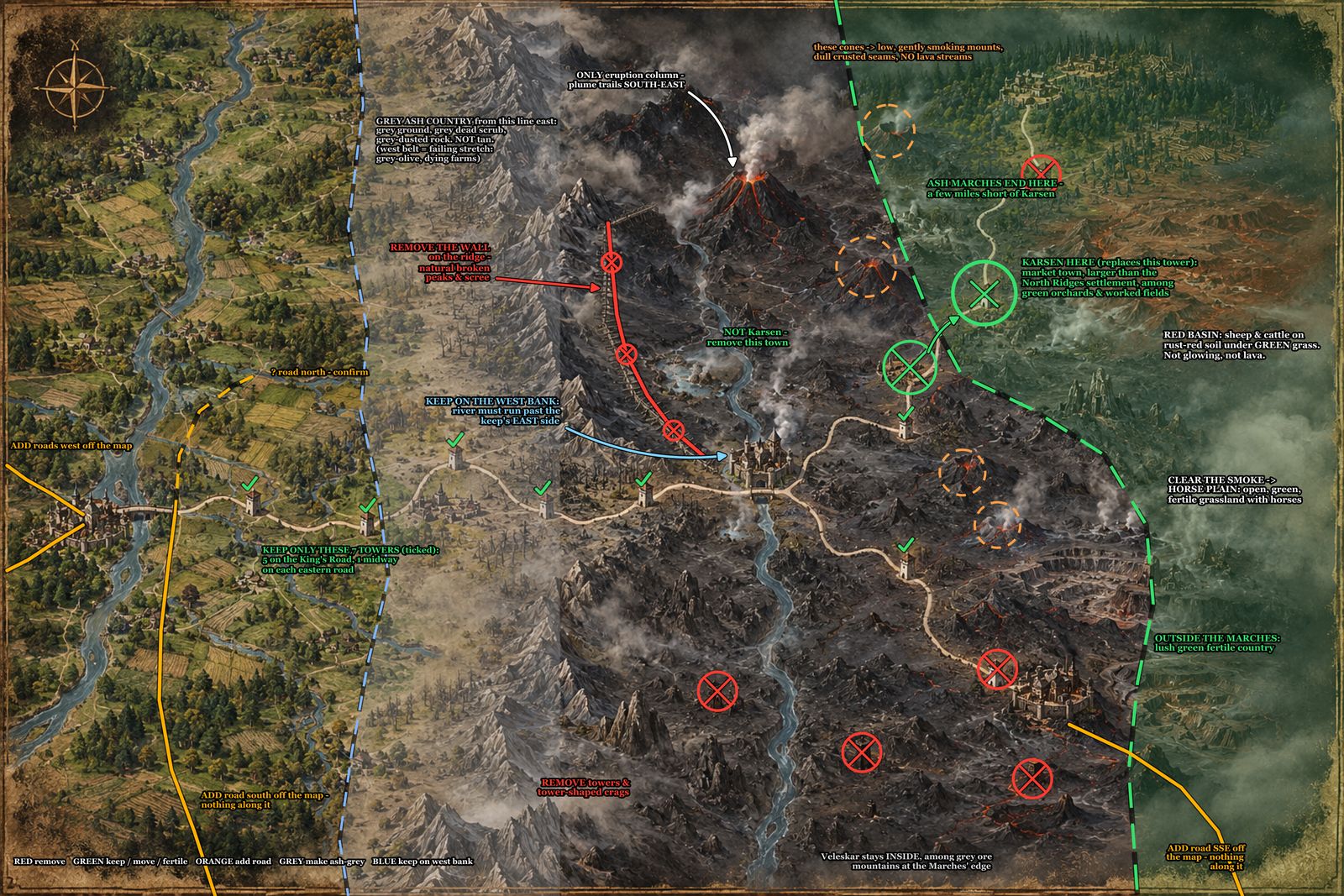
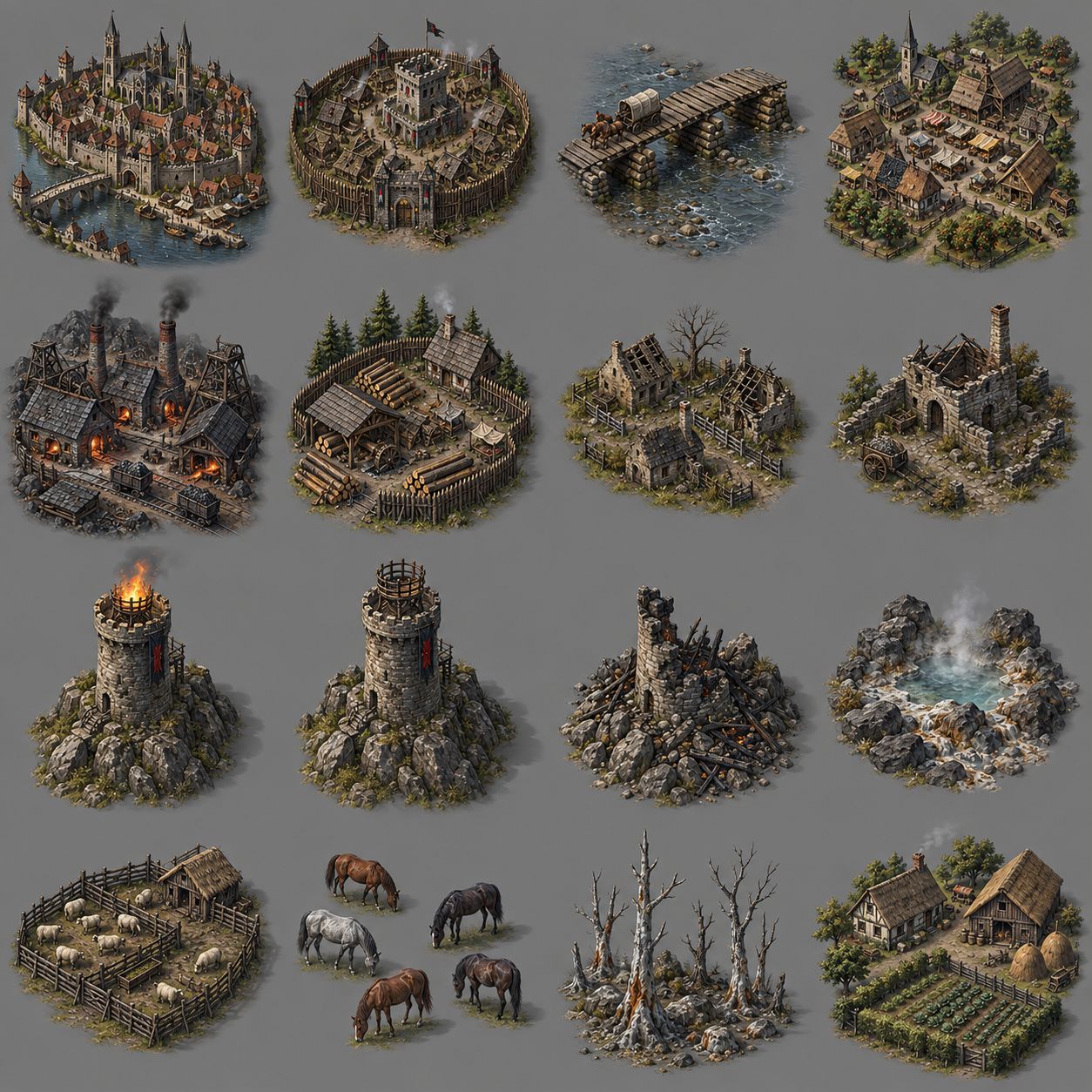
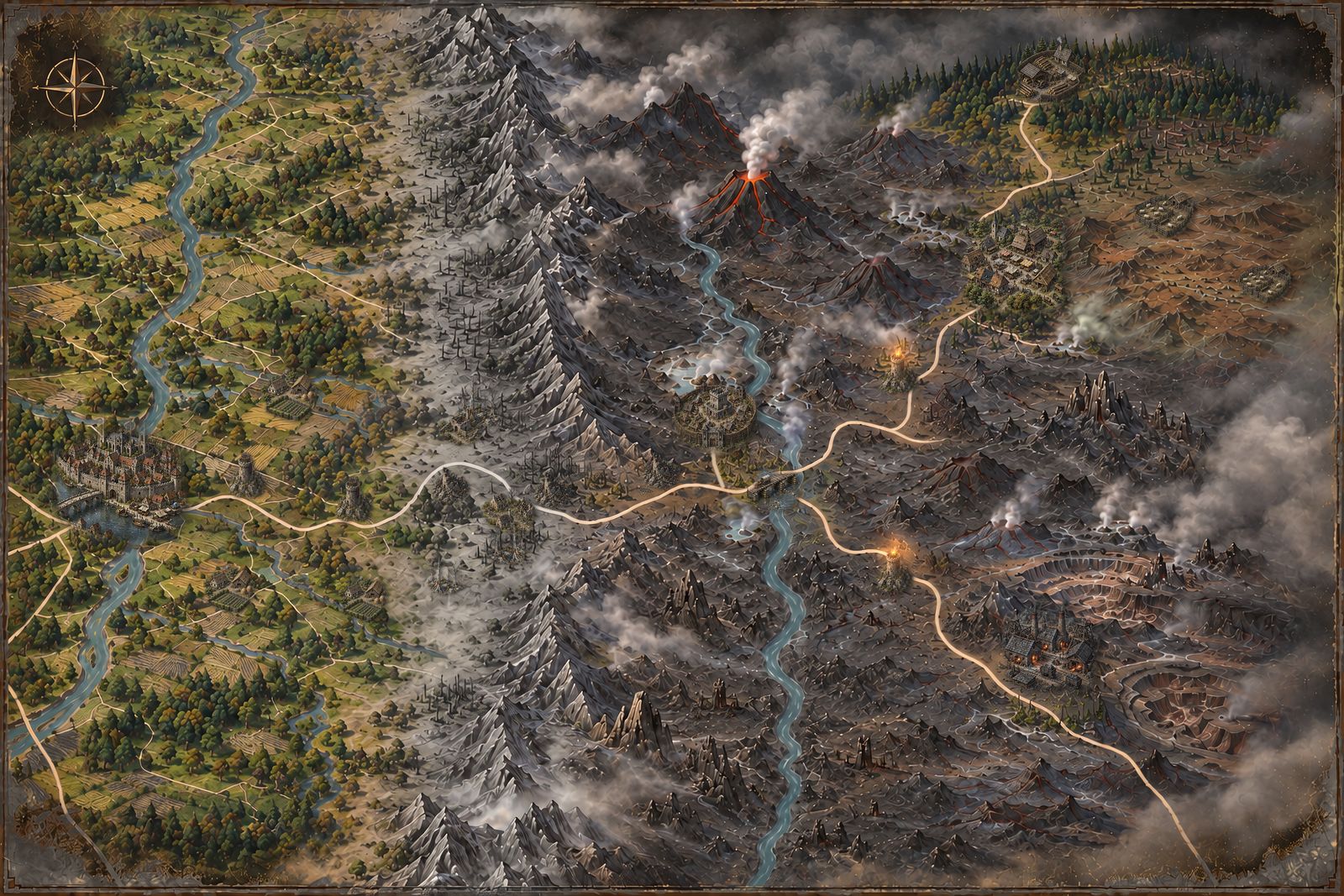
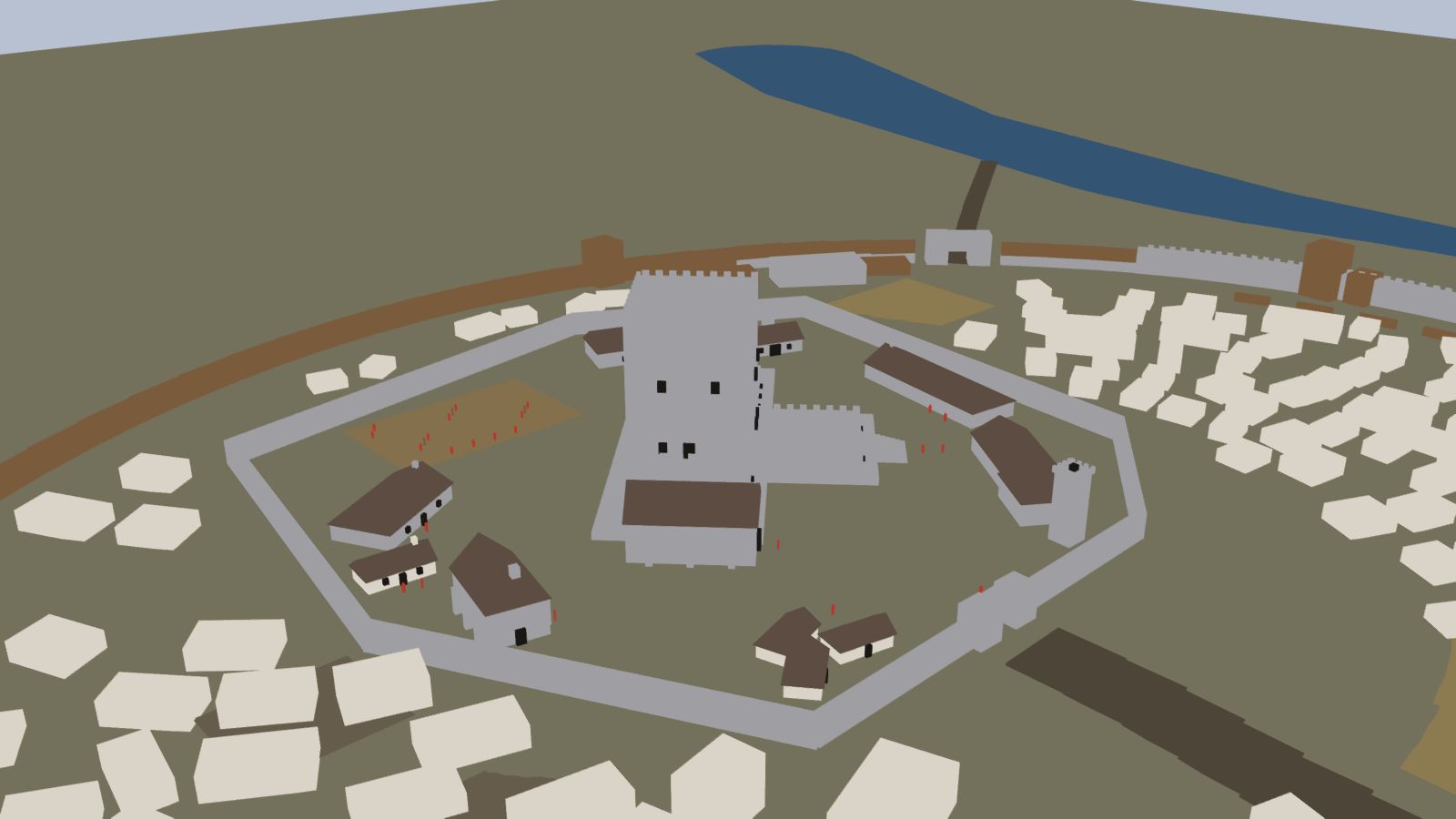
The keep is built twice. Once as arithmetic — a Blender whitebox generated from a JSON spec, where every wall is a number and every distance is true. Then as pictures, painted over geometry that already holds.
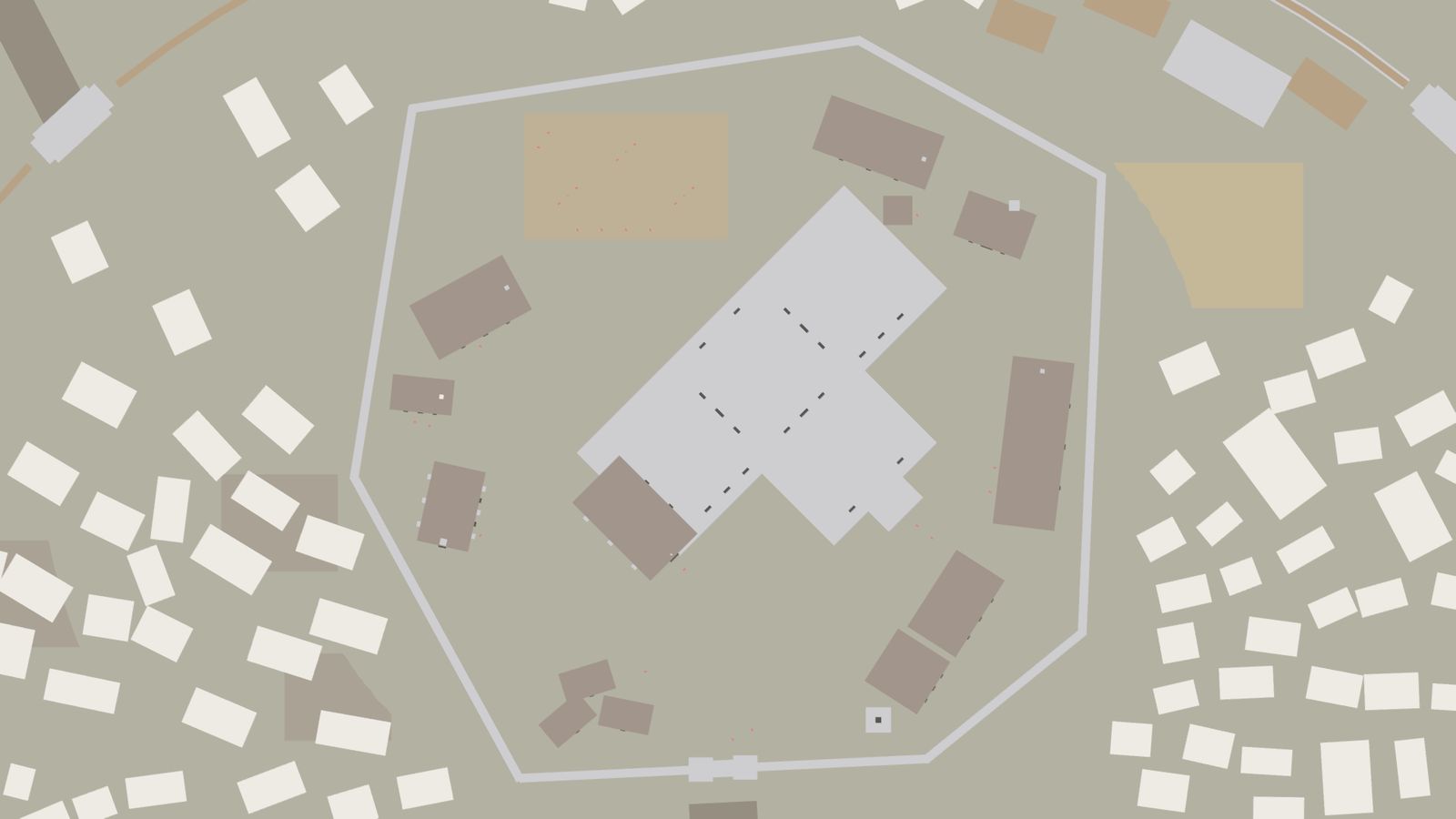
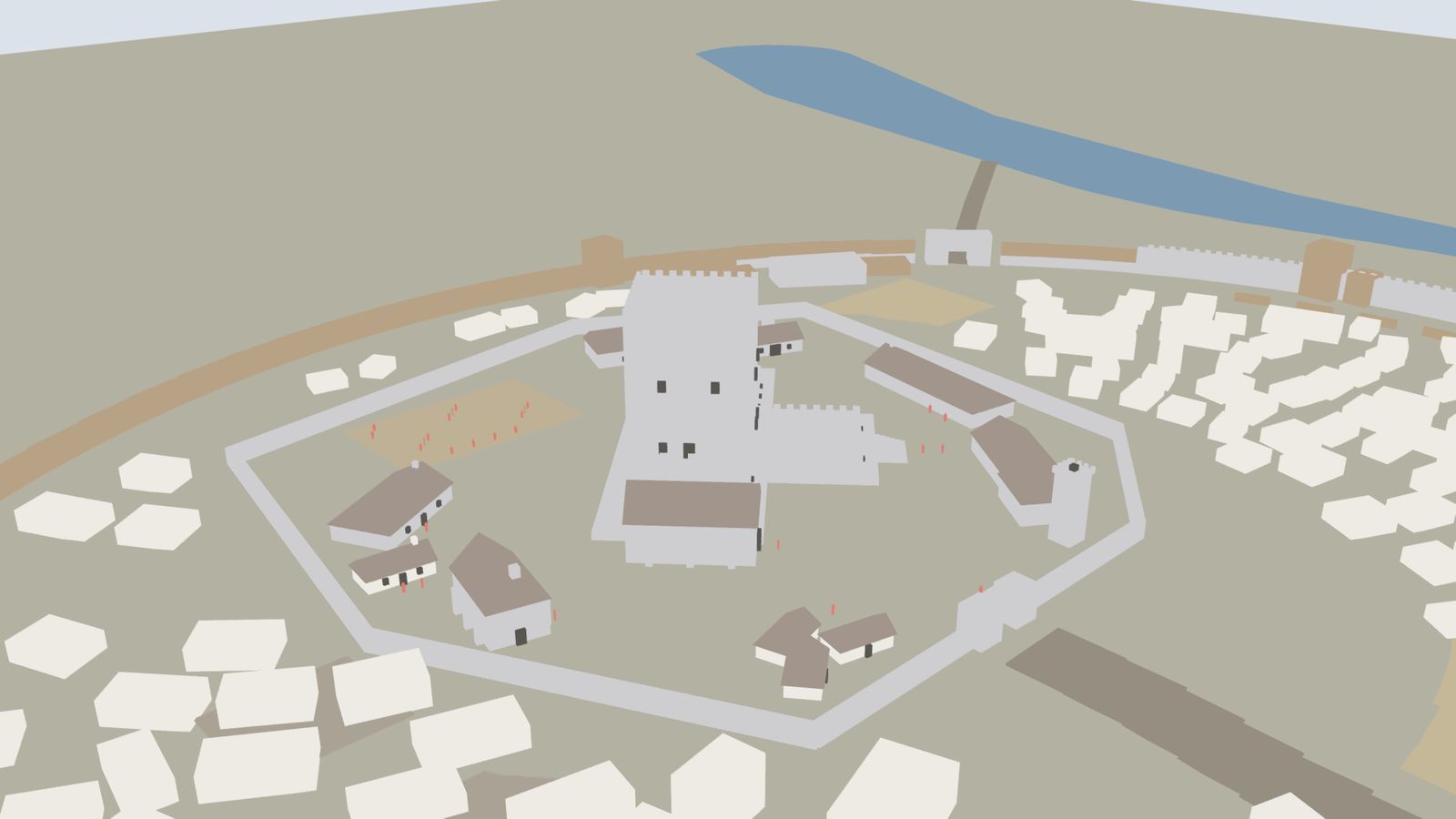
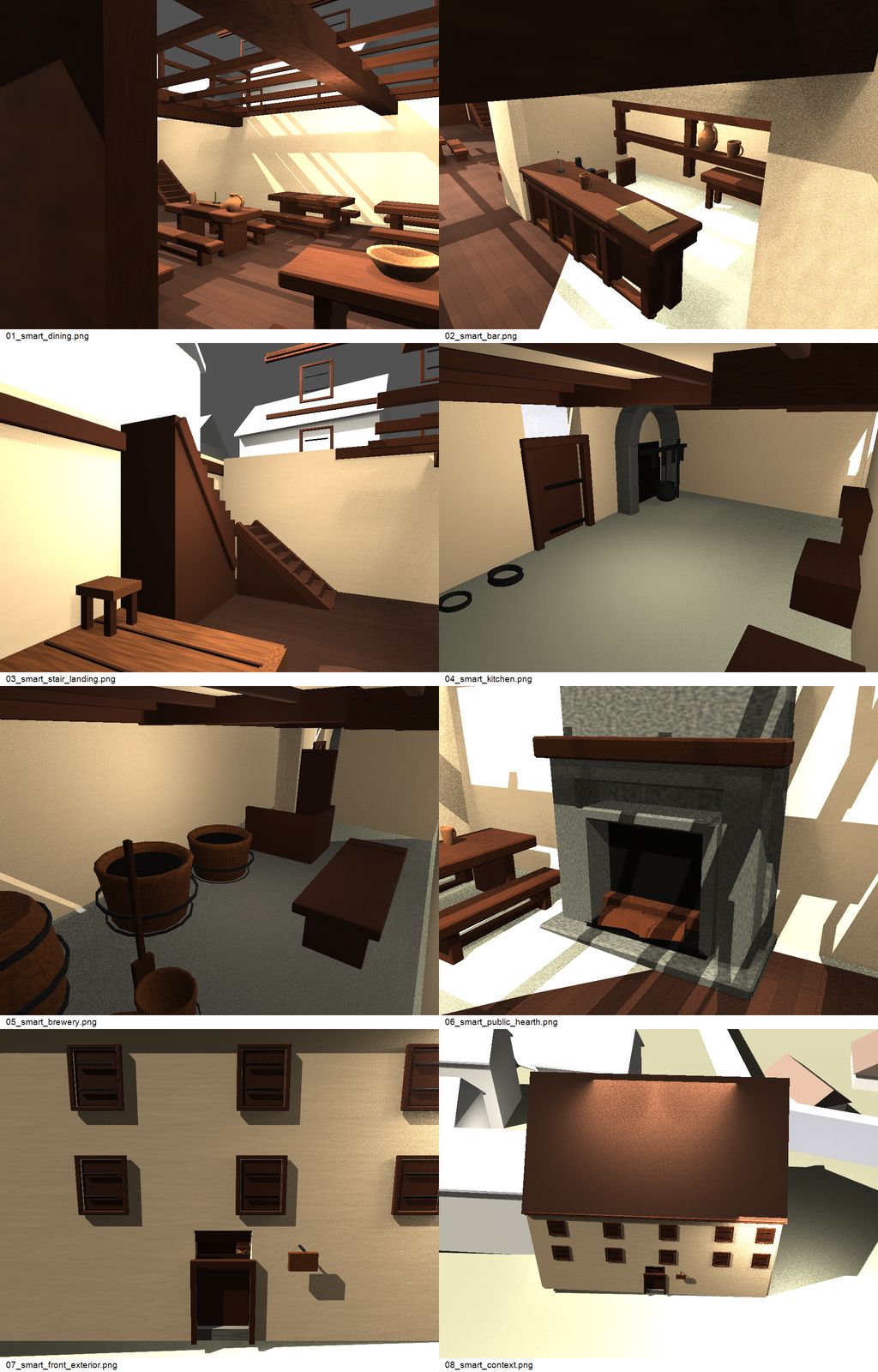
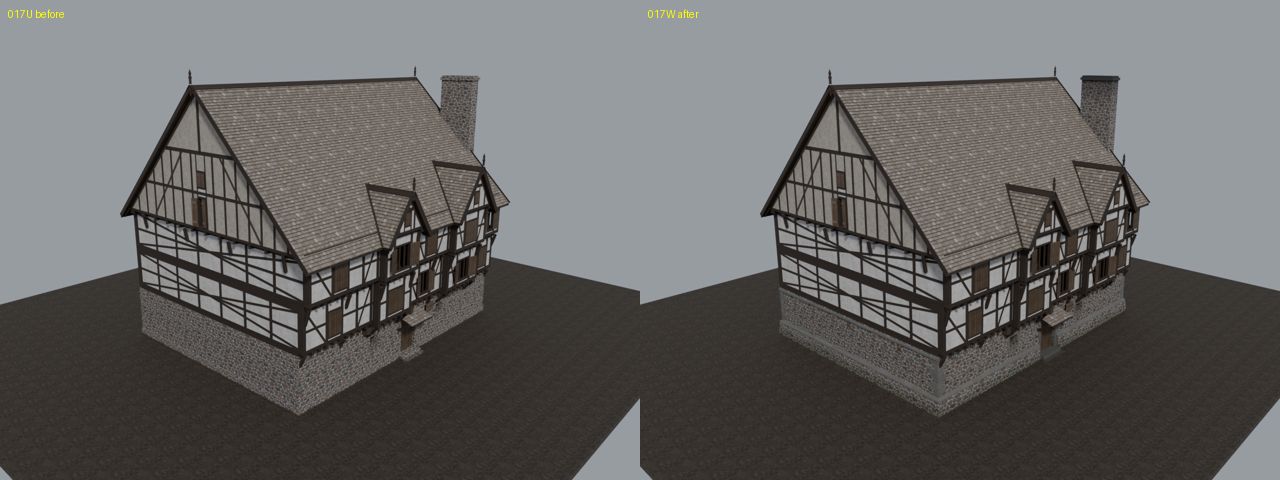
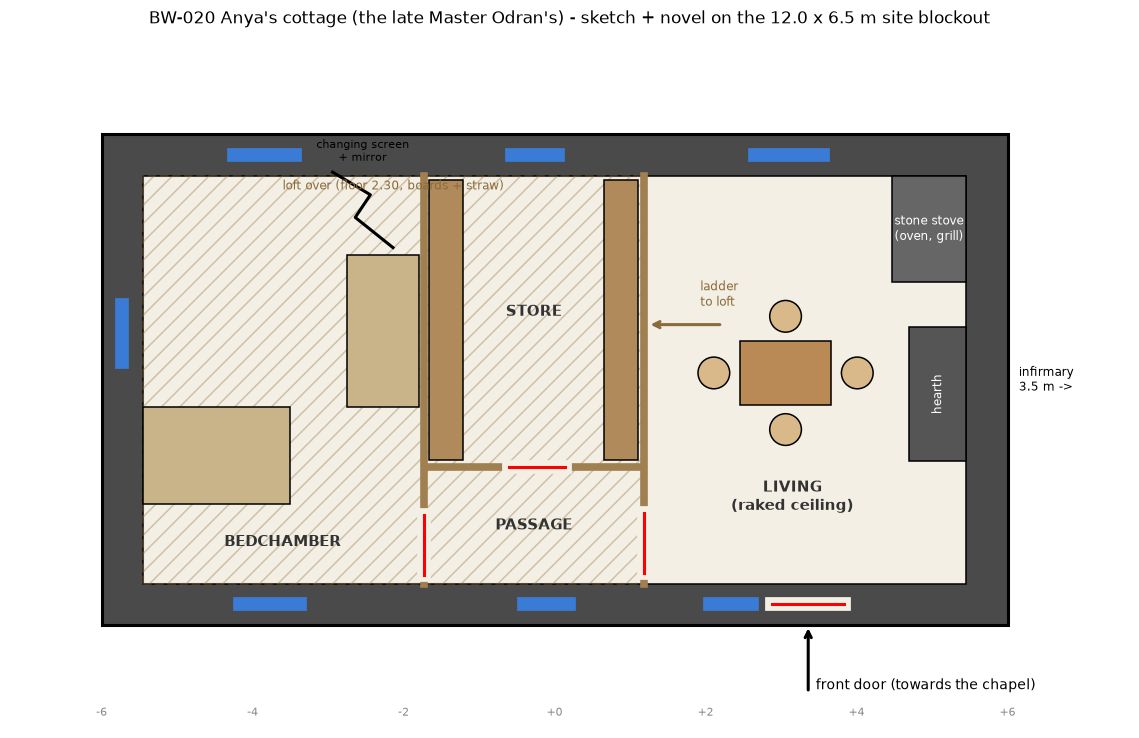
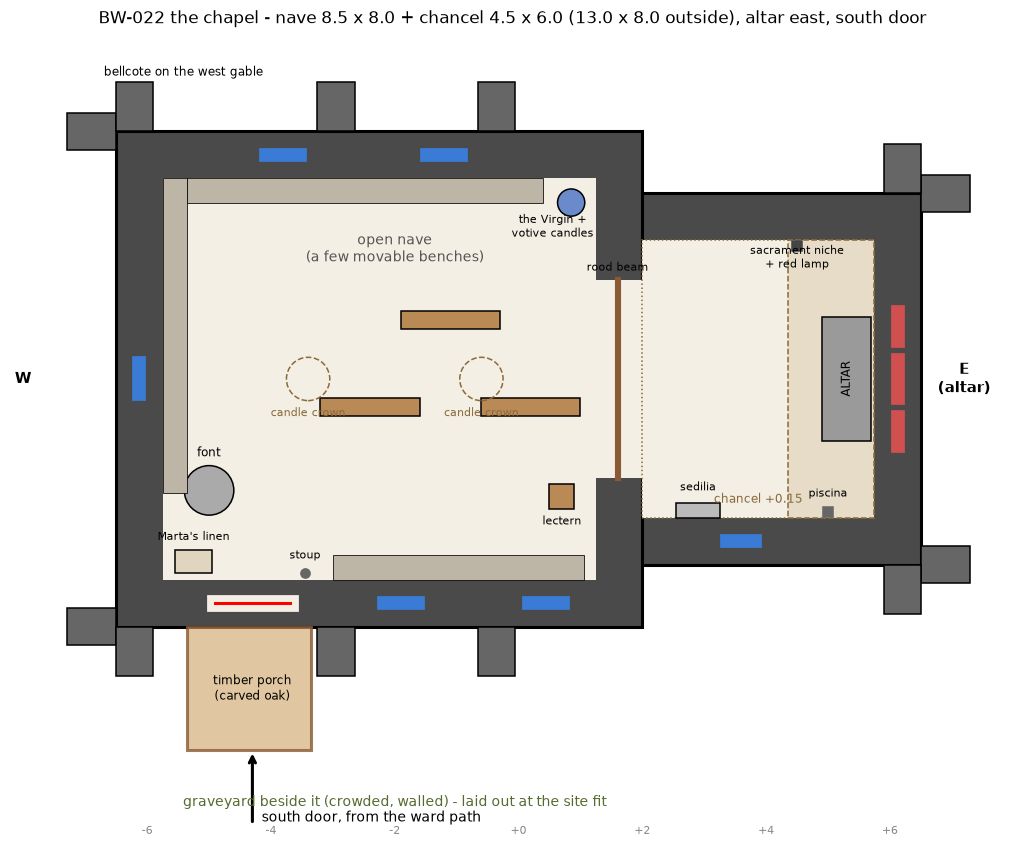
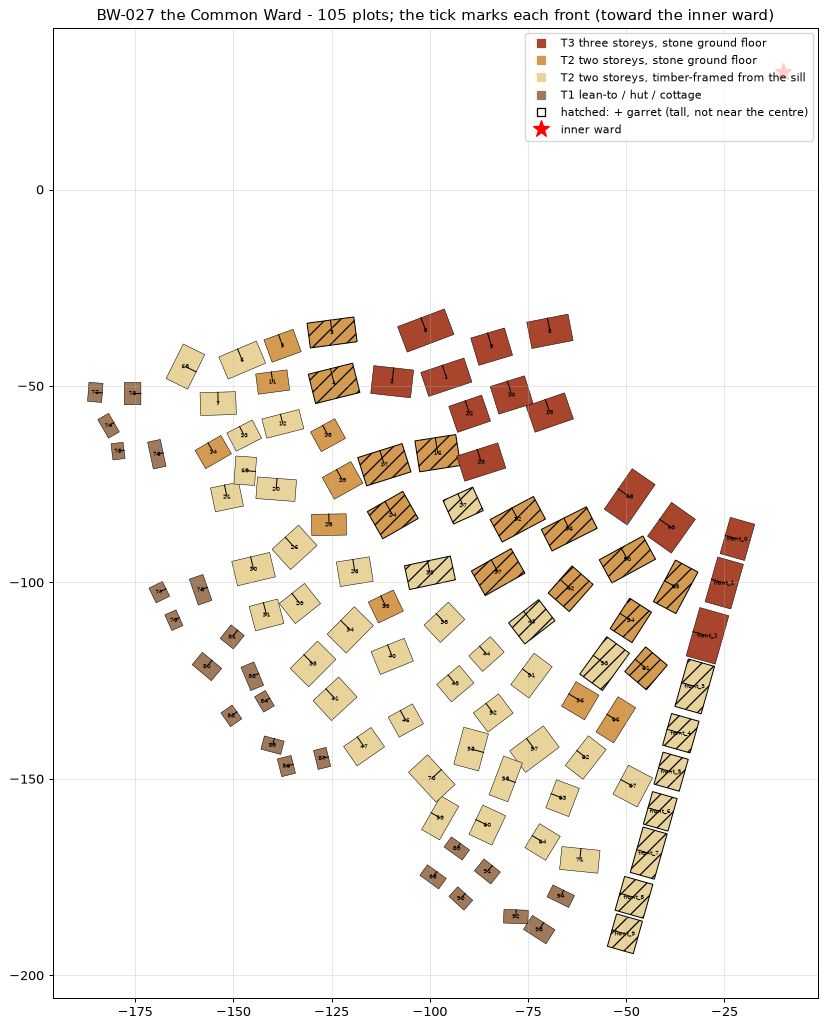
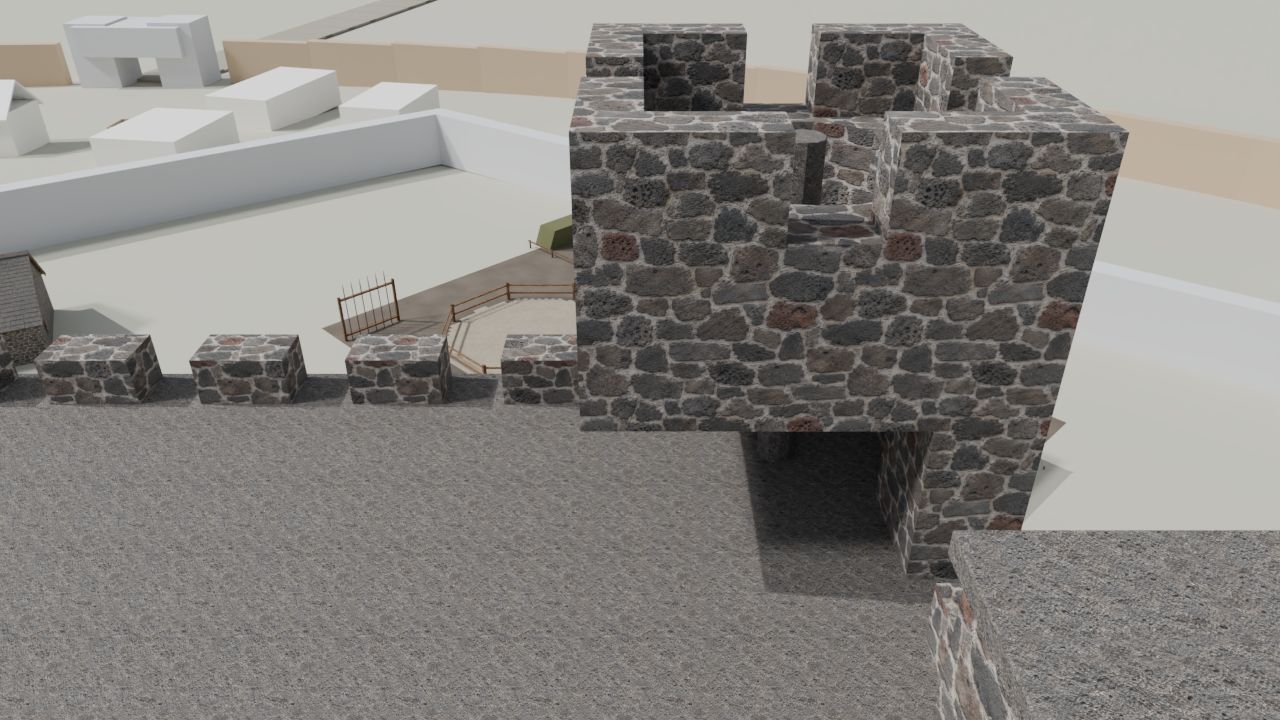
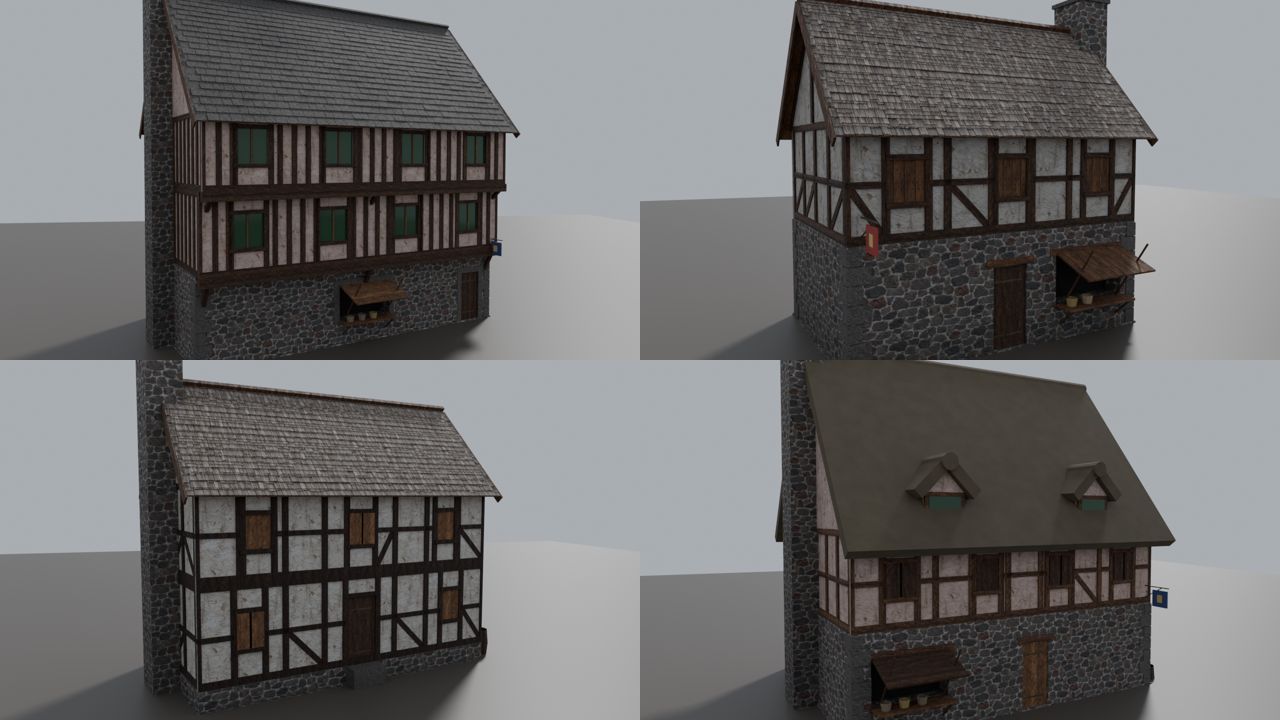
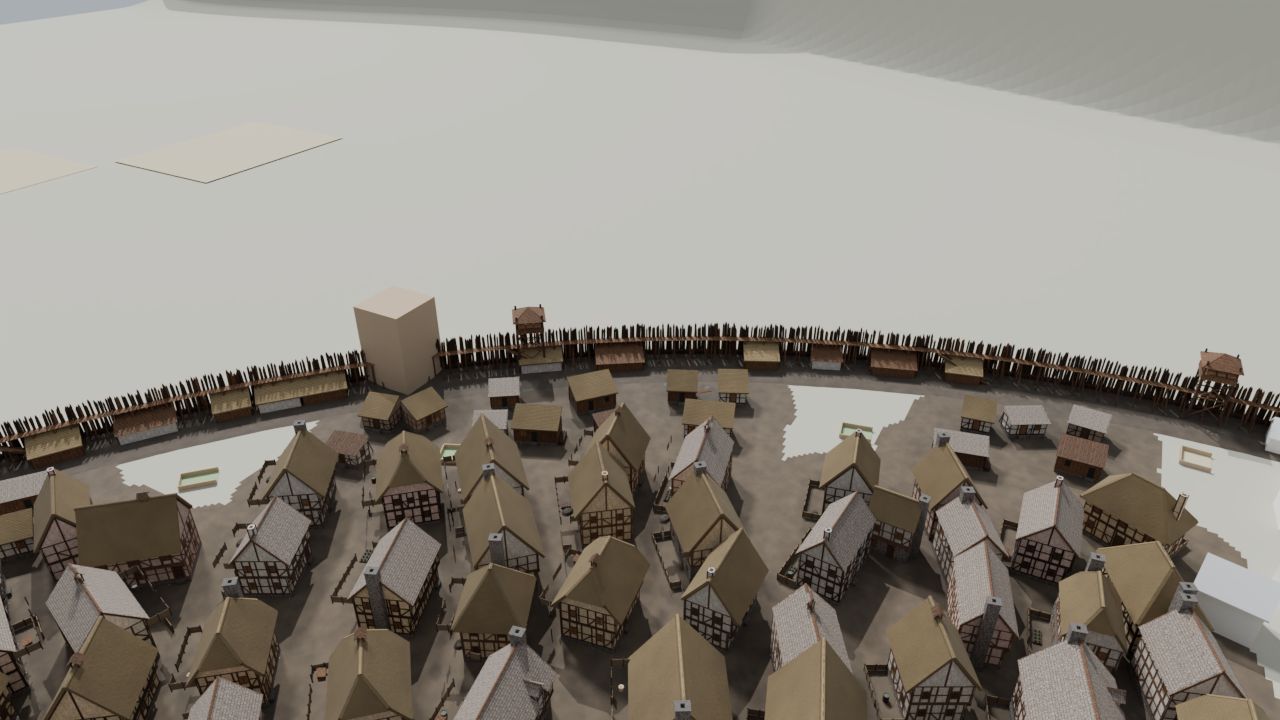
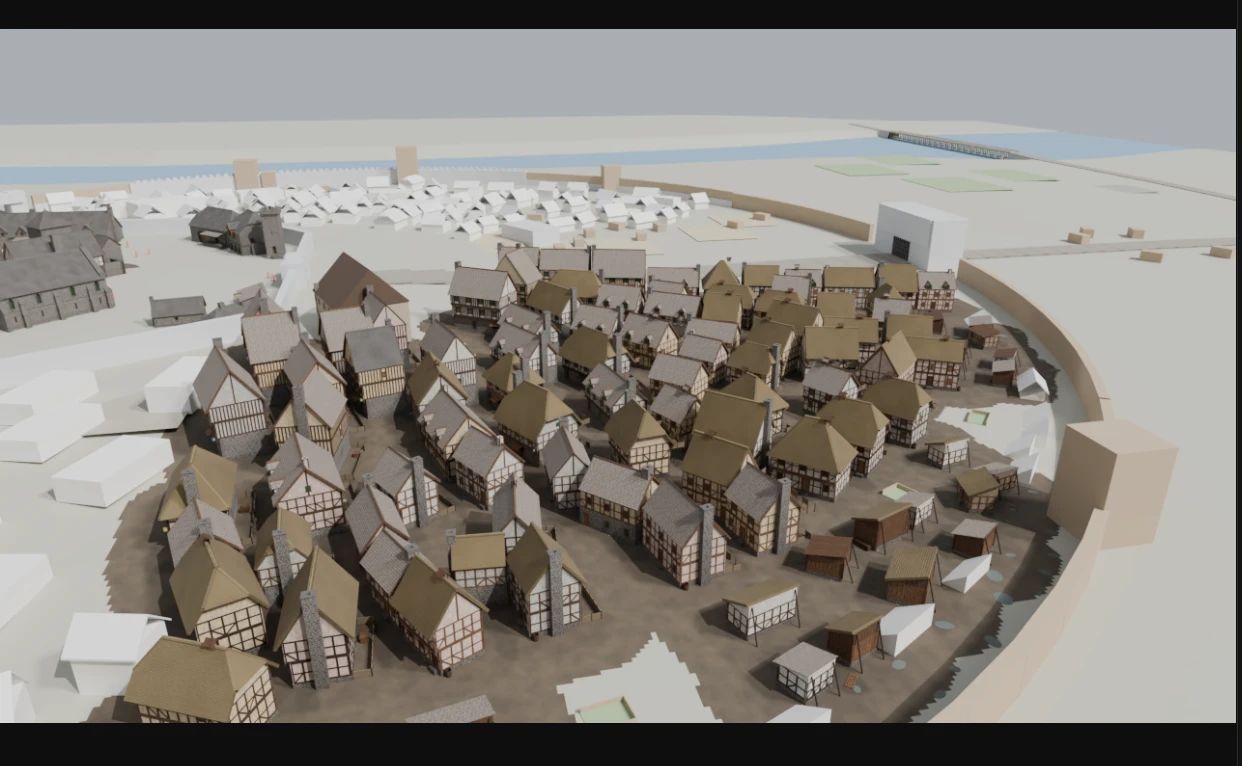
Whiteboxes prove the distances; these passes make them places. Building by building the grey gives way — stone, timber, thatch and candlelight — with a pink placeholder man standing in the doorways to keep the scale honest.
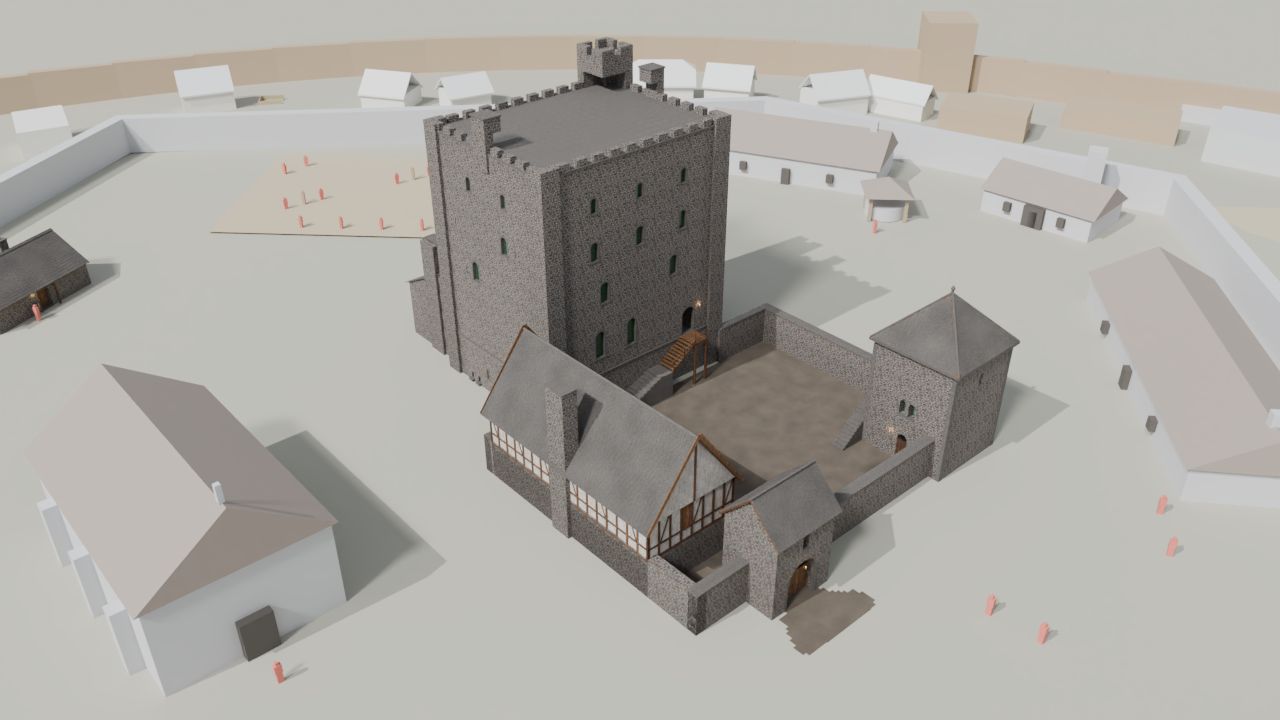
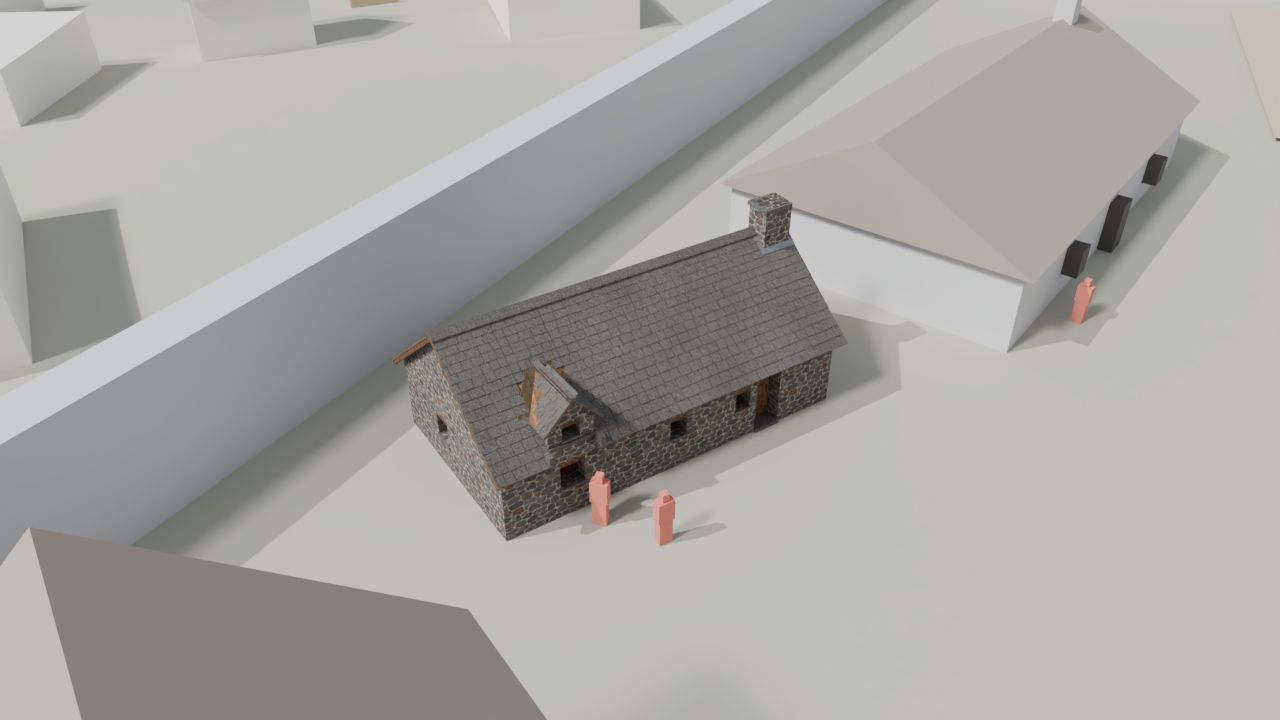
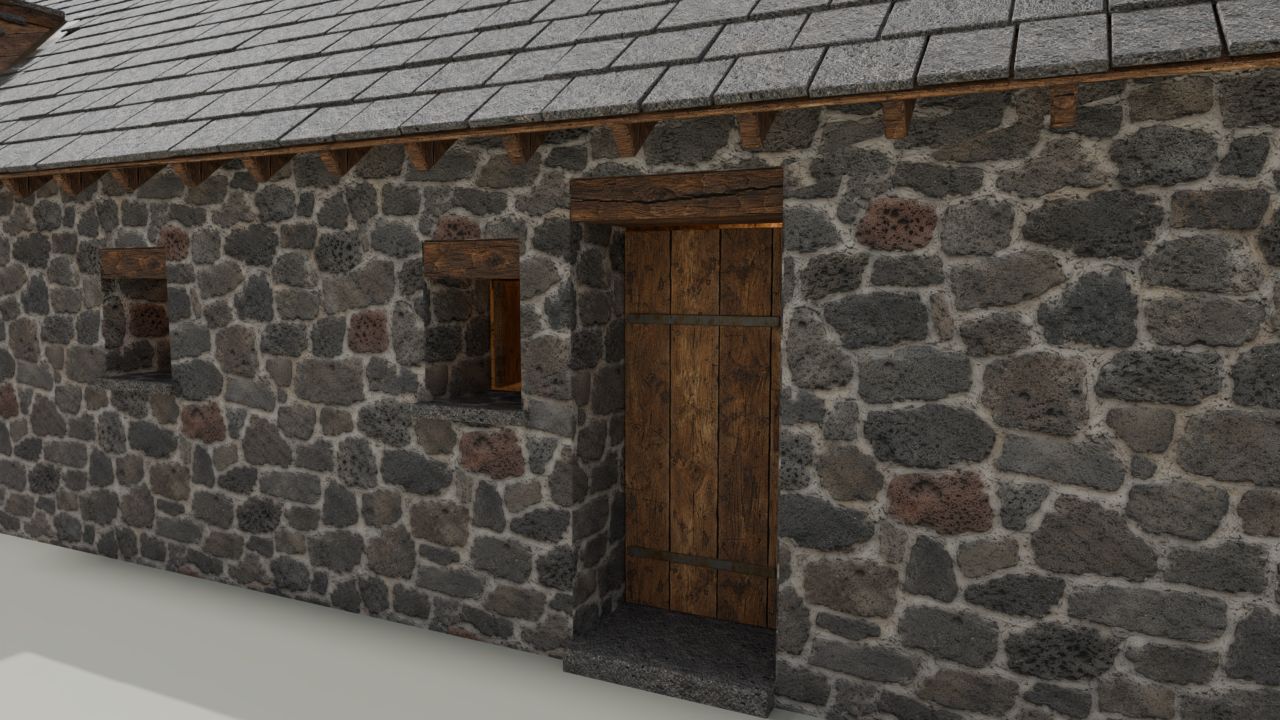
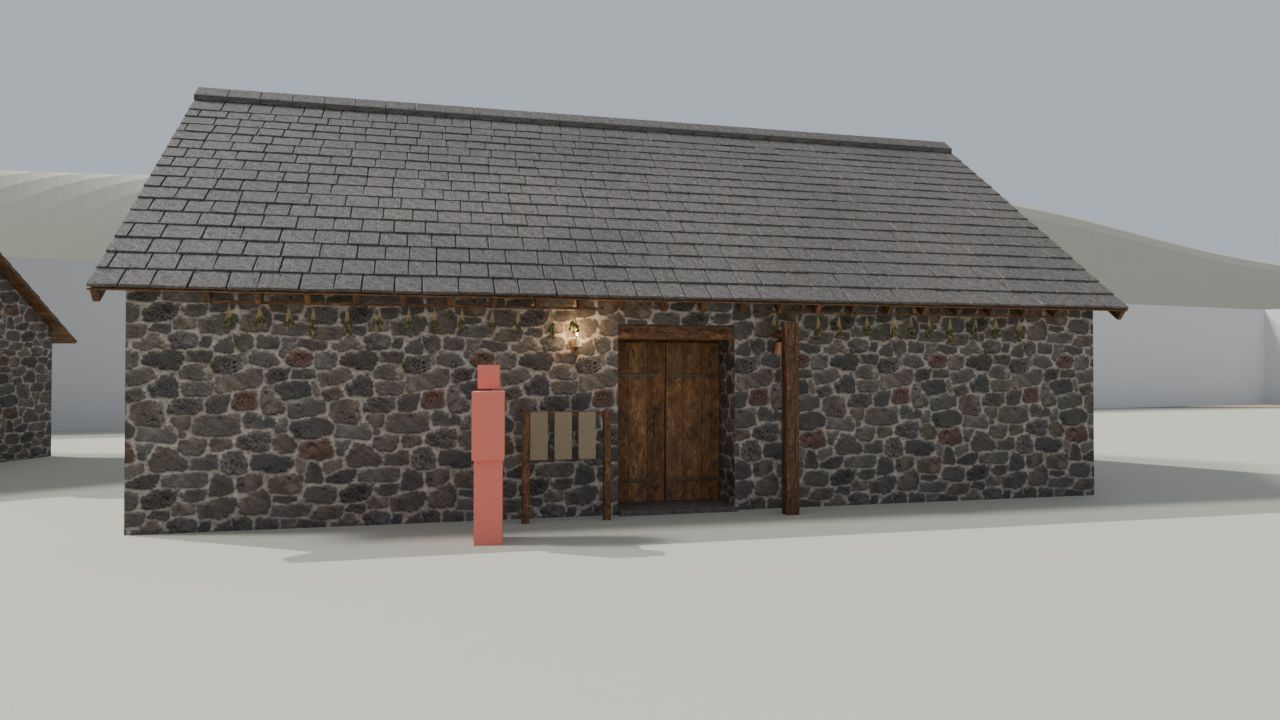
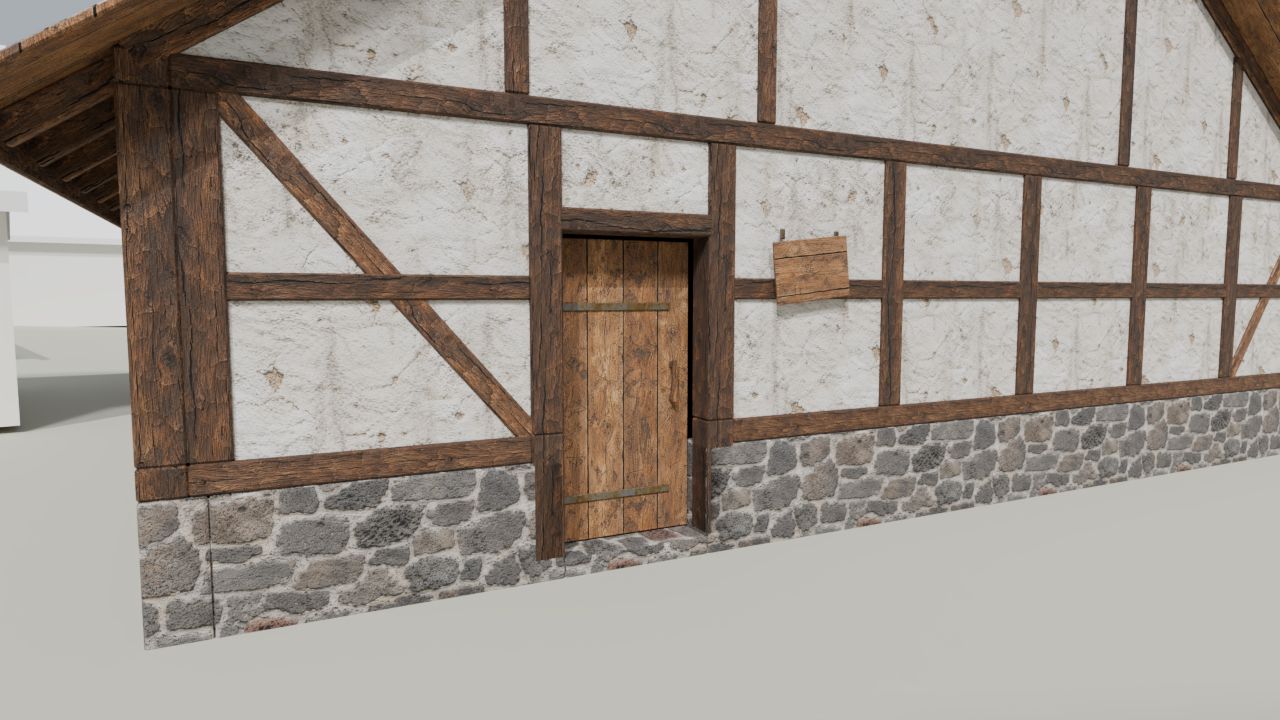
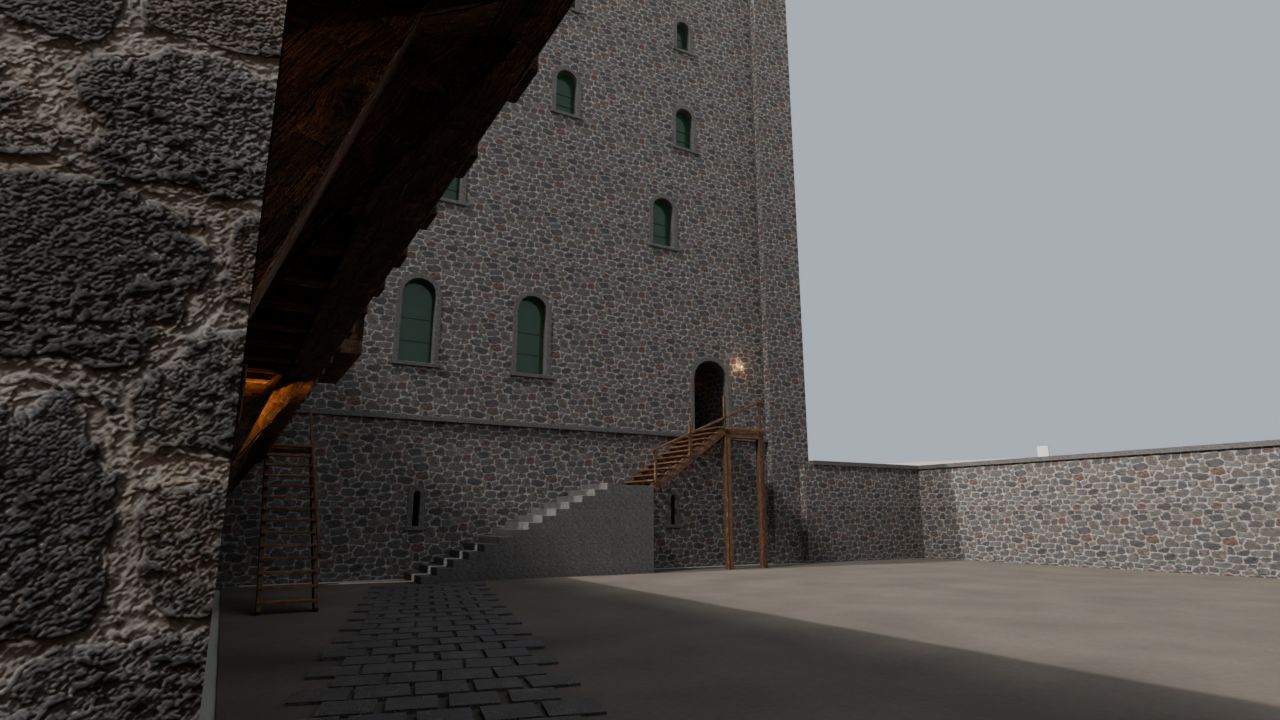
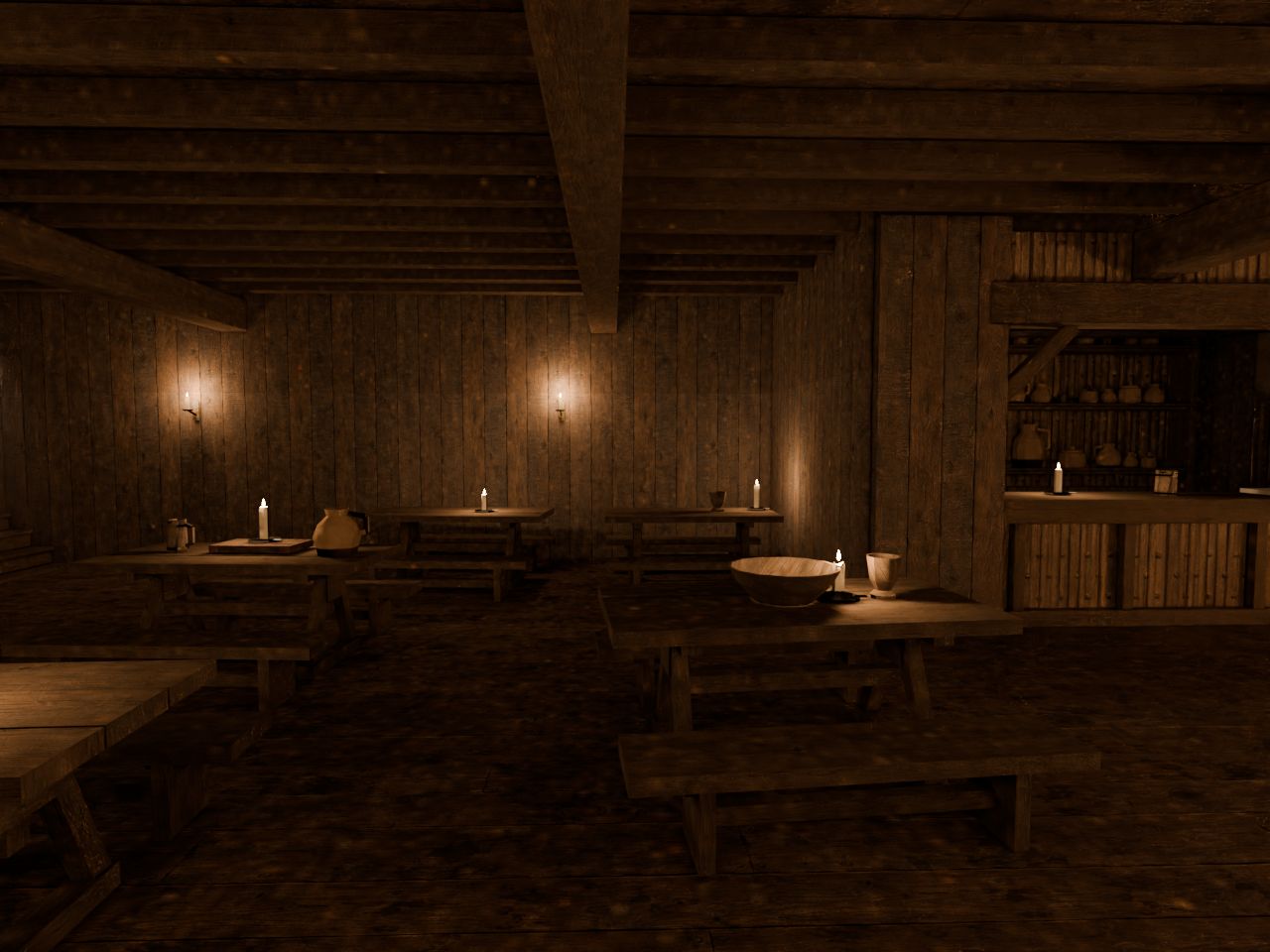
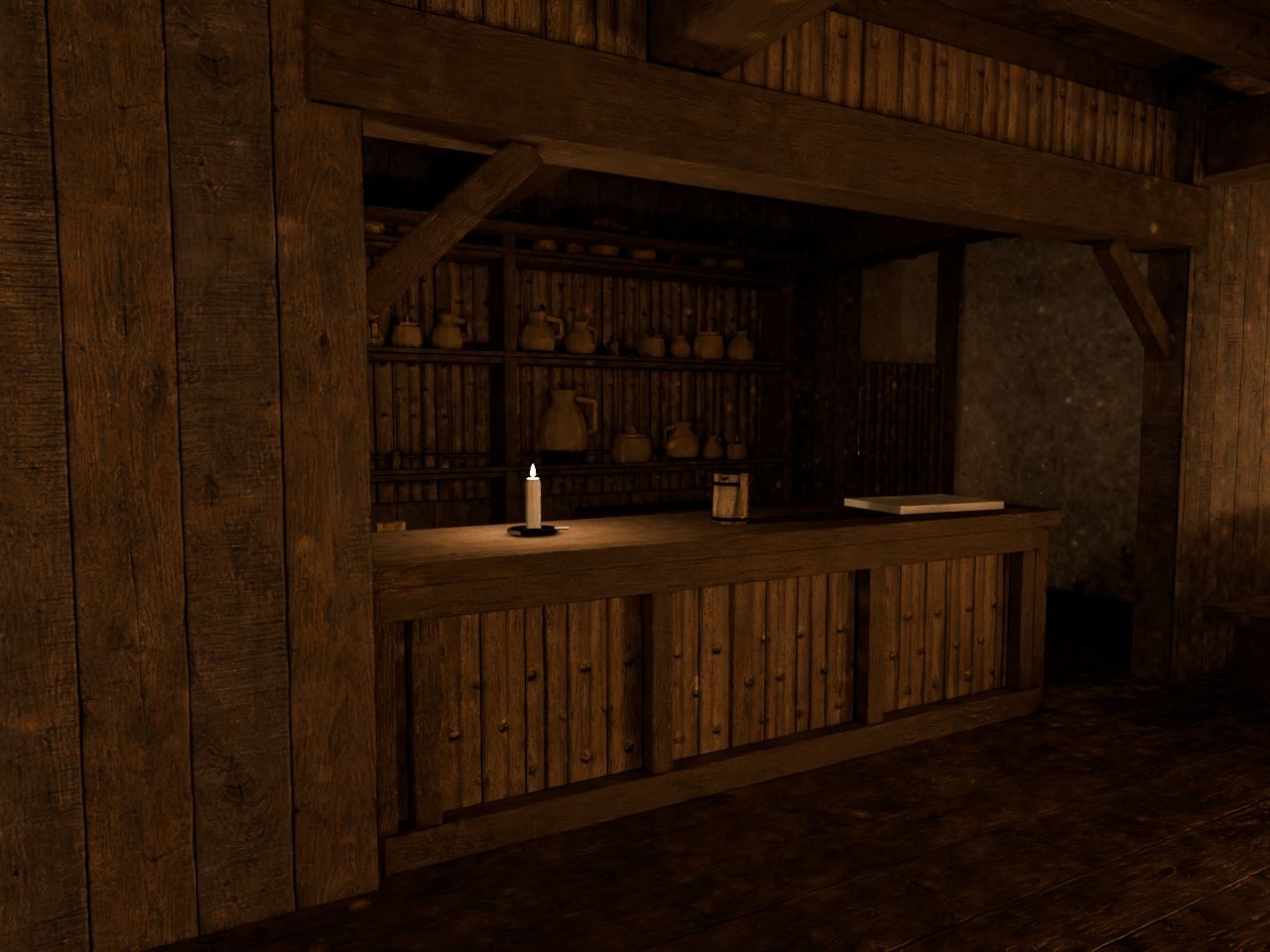
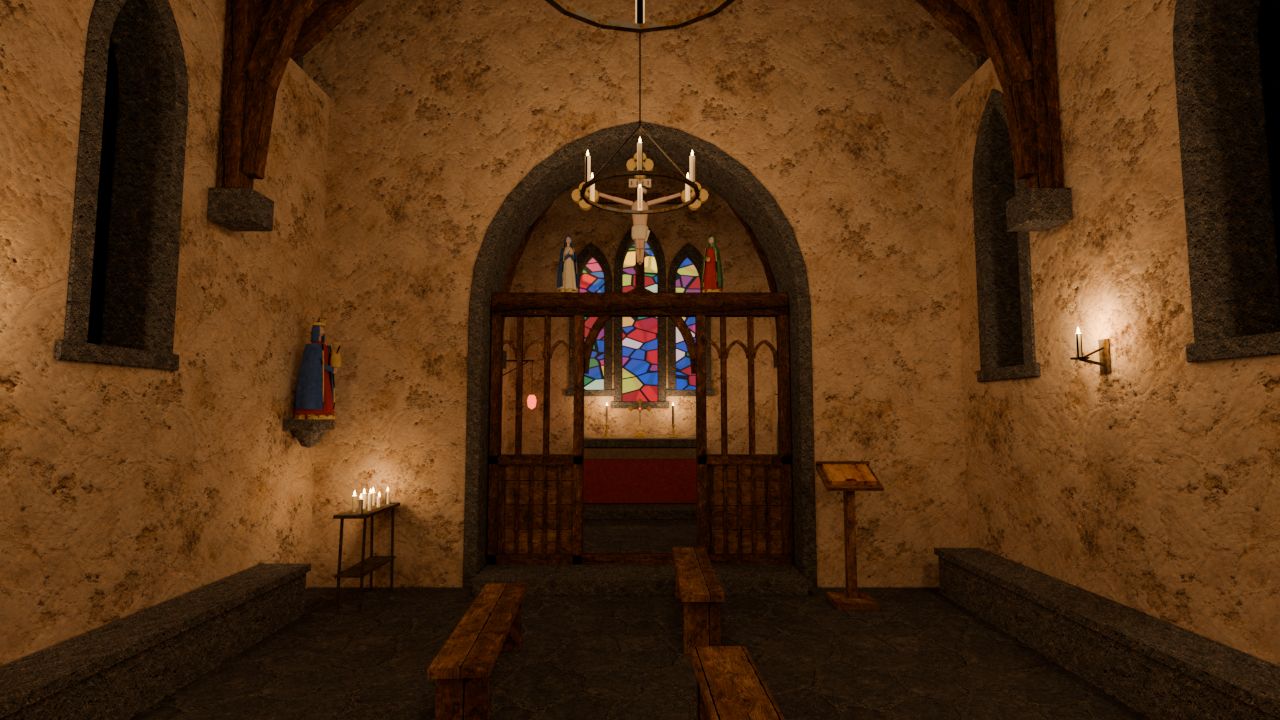
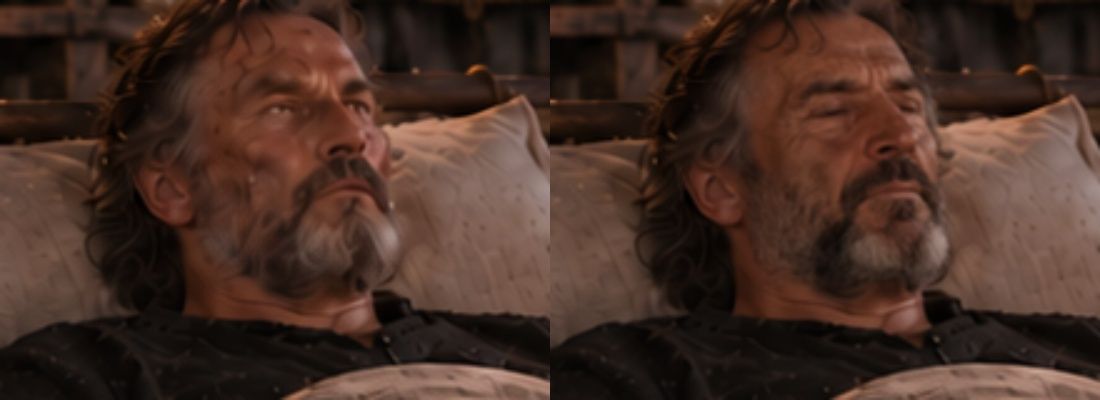
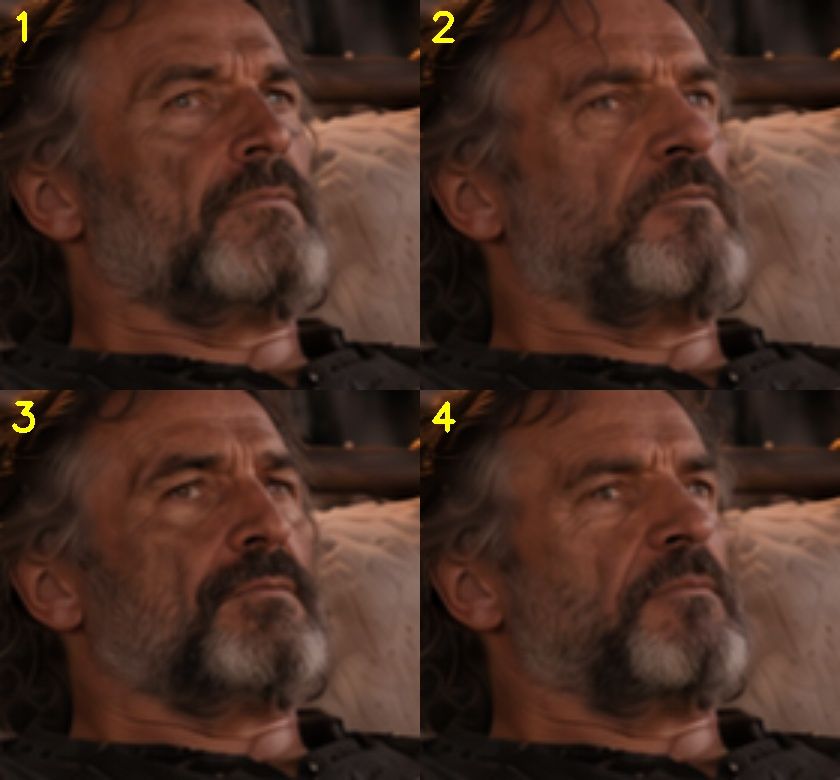
A face is canon too. Portraits are rebuilt pass by pass, compared side by side and verified by embedding rather than by eye — and when a picture contradicts the world, the world wins.
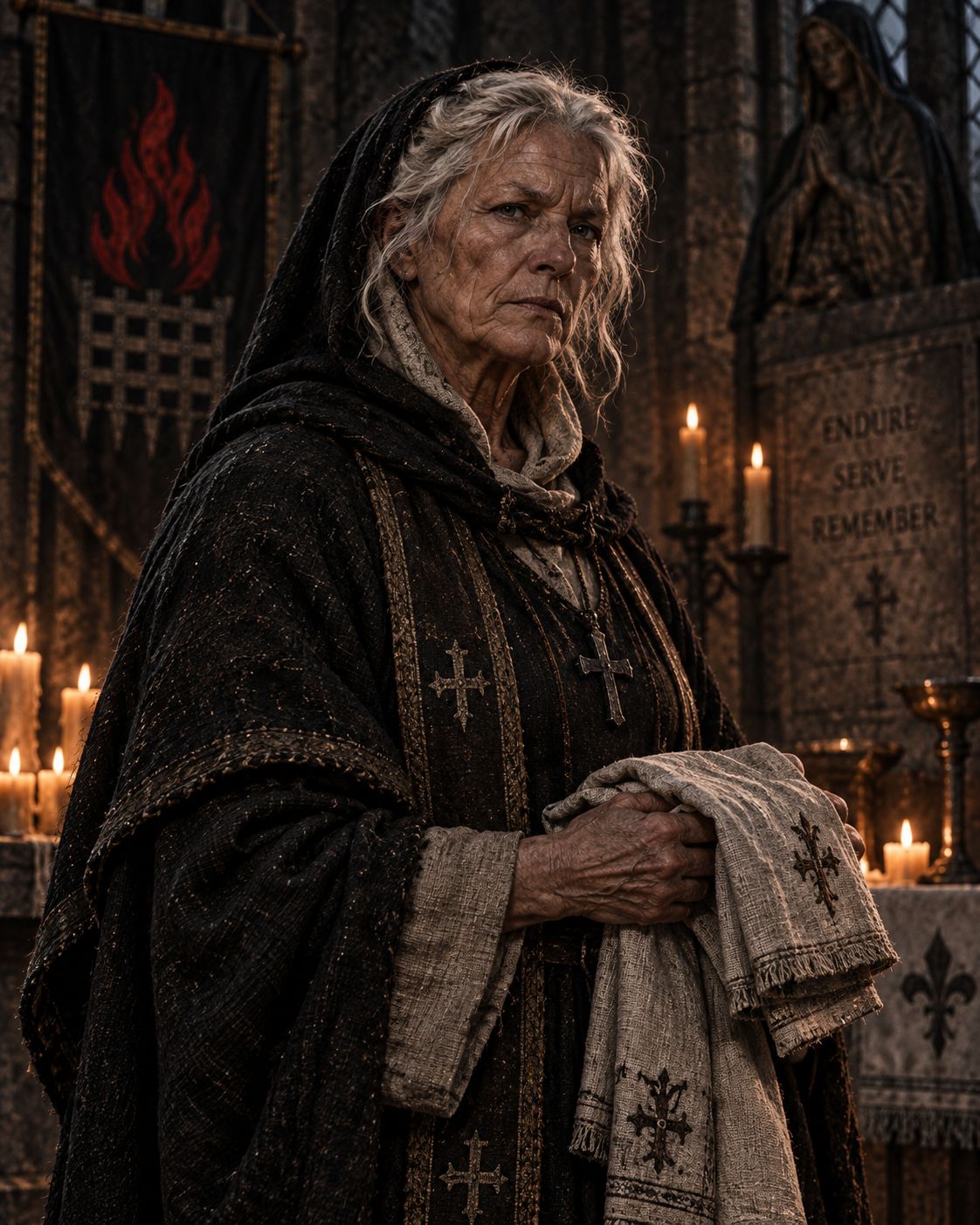
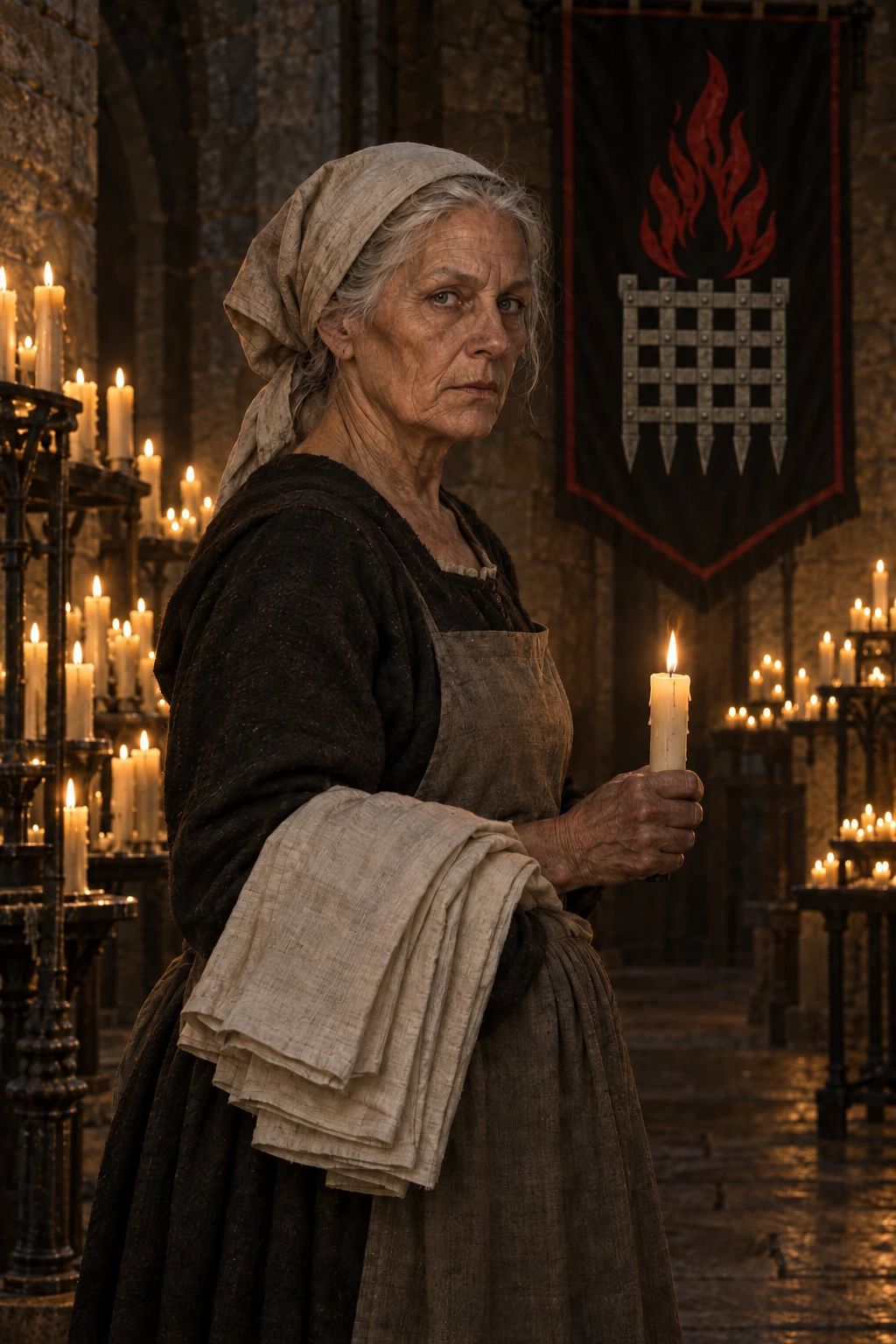
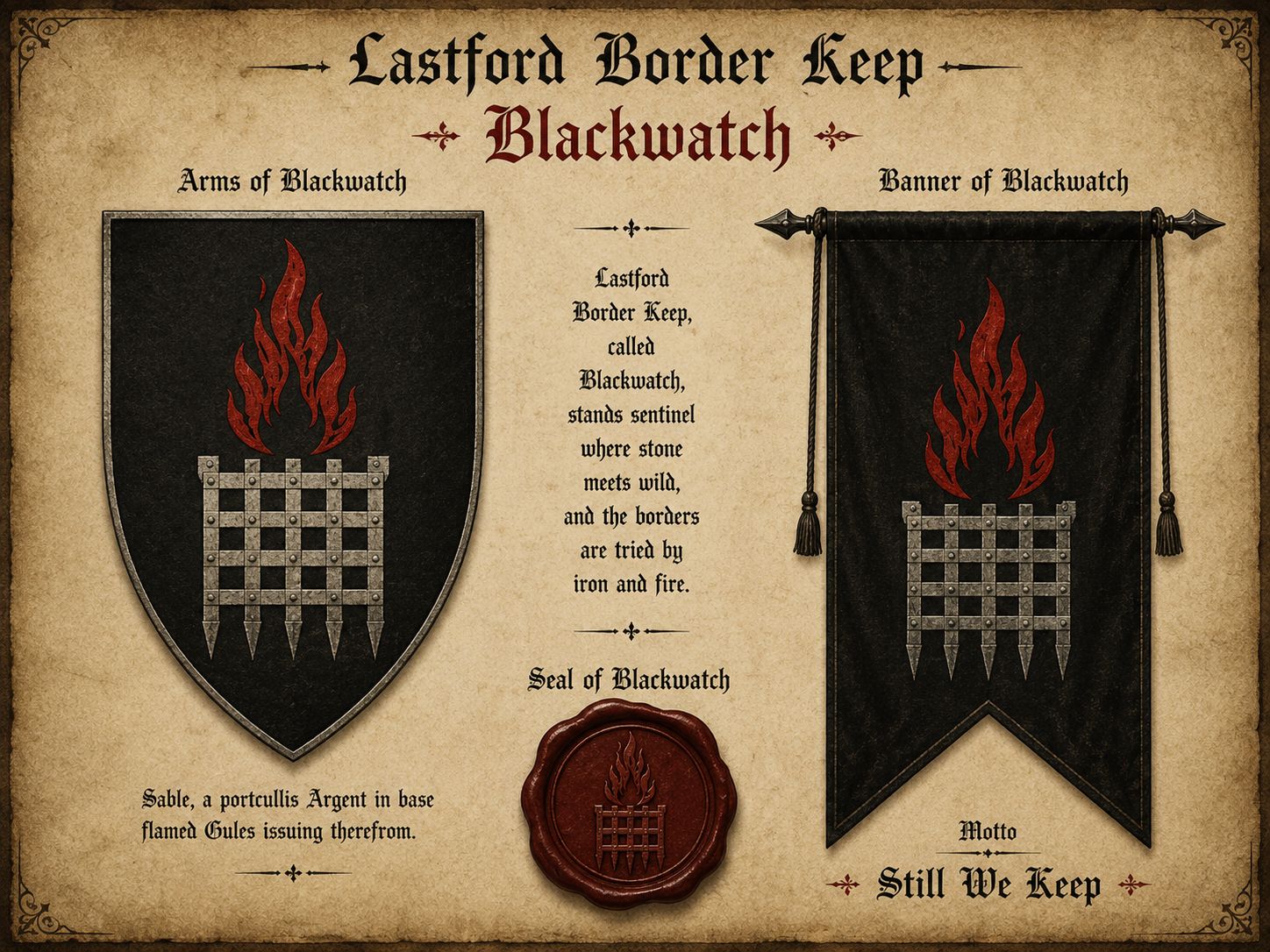
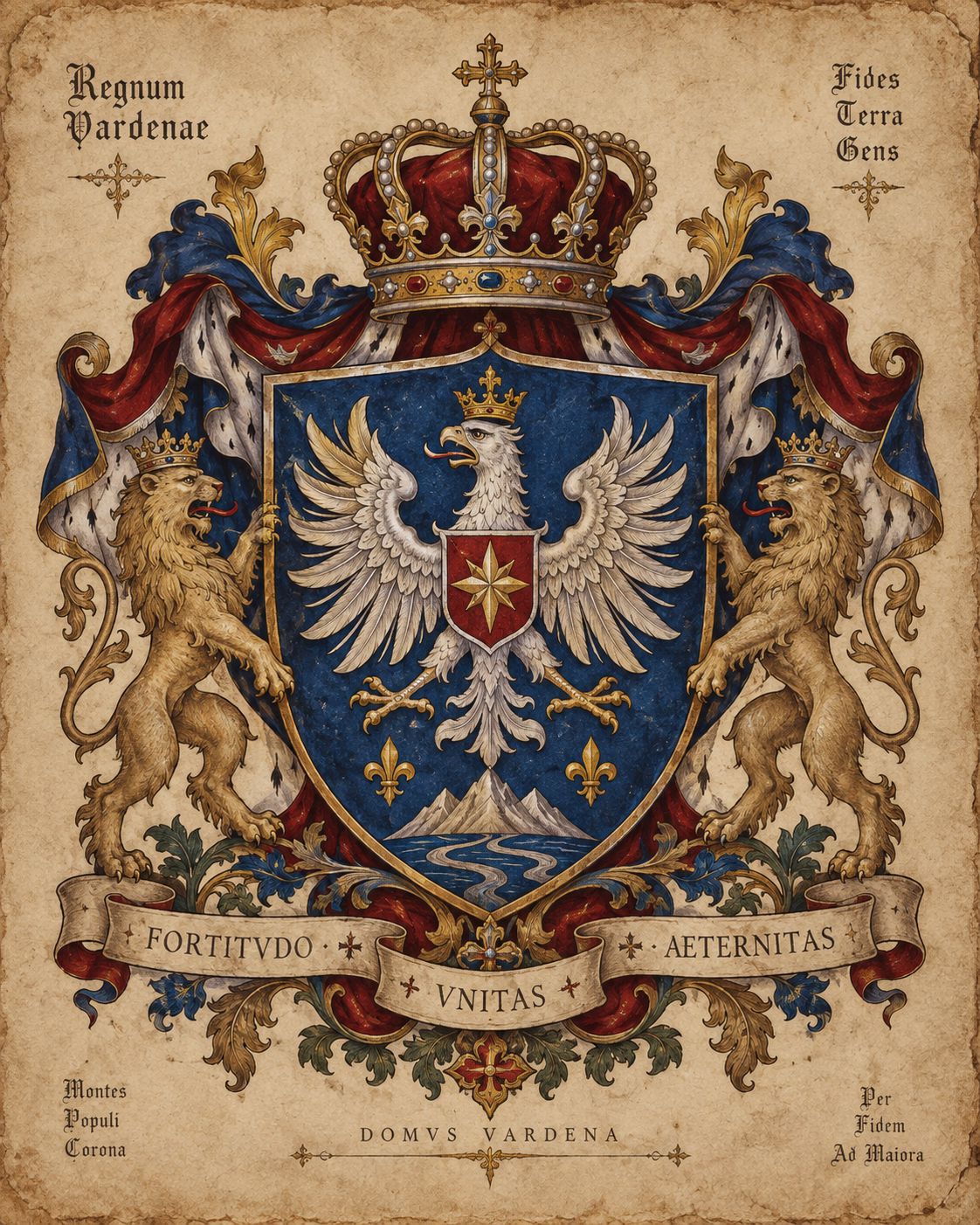
The heraldry that holds the world together — the arms of the keep, the crown that forgot the road, and the Watch itself.
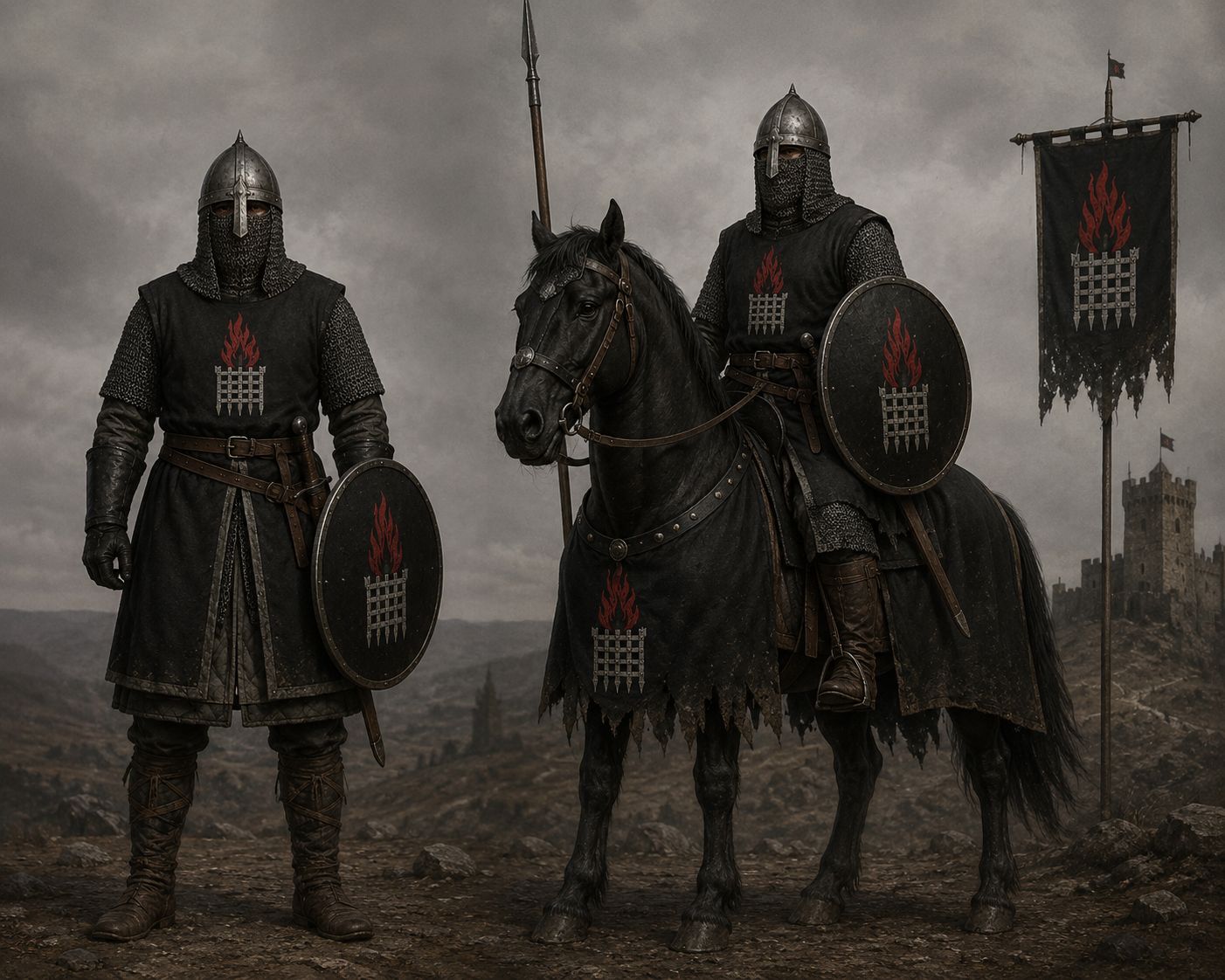
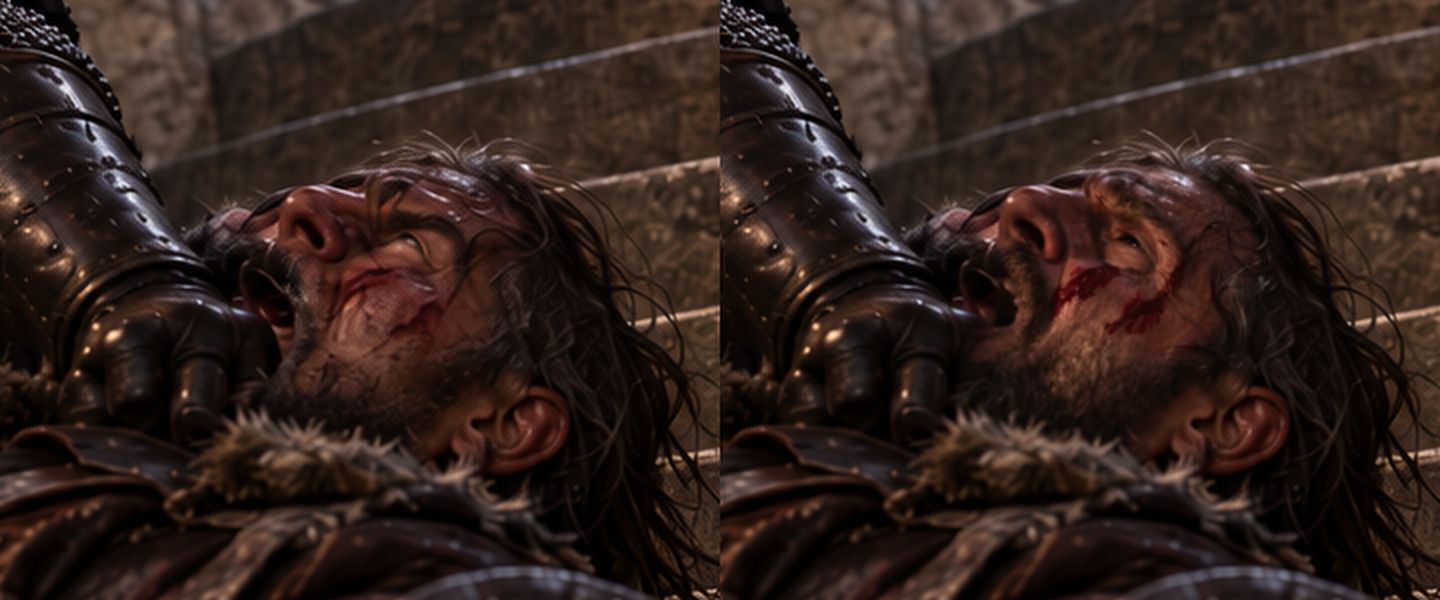
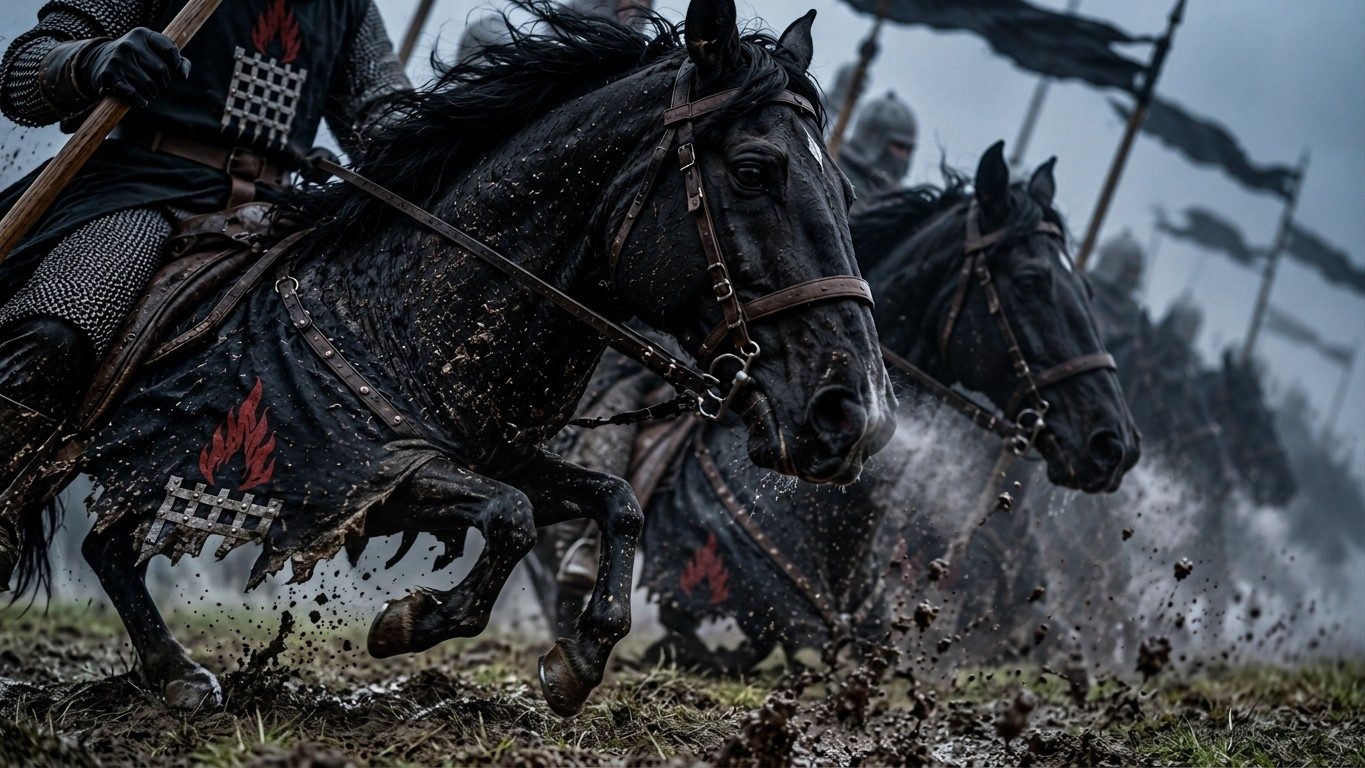
Not everything the machines hand back deserves the wall. Some of it deserves this — the shots that were nearly magnificent, kept as a standing reminder of why every plate gets its fingers, hooves and lance-heads counted before it ships.
The map itself hangs in The Marches; the finished faces stand in The Muster.
The Argument
Why Blackwatch uses AI — openly, deliberately, and without apology
Blackwatch uses artificial intelligence.
It uses AI in the creation of music. It uses AI in the creation and animation of imagery. I use it while developing ideas, testing concepts, researching, revising and working through problems.
I don't hide that, and I don't intend to.
I am a single author. I cannot sing. I cannot compose an orchestral score. I cannot paint. I cannot animate. I certainly cannot employ a film crew and build a medieval border keep in the wilderness.
What I can do is tell stories.
And for the first time in my life, technology has made it possible for me to take a world that existed largely inside my head and express it through several different forms at once: prose, music, images and eventually moving pictures.
That is what AI is doing here.
It isn't the reason Blackwatch exists.
It is the reason you can see and hear it.
There is a strange tendency in discussions about artificial intelligence for everyone to be required to occupy one of two trenches.
Either AI is the miraculous solution to everything, or anyone who touches it should apparently be drawn and quartered somewhere in the public square.
I don't find either position particularly useful.
There are legitimate ethical questions surrounding generative AI.
The most obvious is training data. Artists, writers, photographers, musicians and others created work that was used in the development of some generative systems without necessarily having meaningful control over that use, receiving attribution, or sharing in the value subsequently created.
I think that concern deserves to be taken seriously.
The second concern is simpler.
AI is going to replace some paid work.
In some areas it already has.
There is no intellectually honest way around that.
Years ago, I paid around $1,500 for artwork for a professional project. The artist worked hard. The process took weeks. The final result was competent.
It also wasn't quite what I had imagined.
That wasn't really anyone's fault.
The artist could not see what was inside my head, and I could never describe it with enough precision to make our two mental pictures identical. After enough revisions, friction inevitably develops. The person commissioning the work feels they are still not quite there. The artist quite reasonably becomes tired of making yet another alteration.
Eventually everybody wants the thing finished.
Generative tools change that equation enormously.
I can now pursue an idea through twenty, thirty or fifty iterations without exhausting another human being, spending thousands of dollars, or eventually accepting something simply because continuing the process has become impractical.
That inevitably changes creative industries.
I understand why people within those industries are frightened or angry about it.
For much of human history, access to information was expensive.
Books were expensive. Encyclopaedias were valuable possessions. Specialist knowledge was difficult to acquire. Tutors and teachers were sometimes the only realistic way to gain access to information that today can be found in seconds.
Then came mass publishing.
Then computers.
Then the internet.
Then Wikipedia, YouTube, online courses, forums and search engines.
Every step made something that once required a specialist easier for an ordinary person to access.
Artificial intelligence is a much larger step, because it doesn't merely retrieve information. It can increasingly help people do things with it.
Creative work is now experiencing a transition that other information-based professions have already been living through for decades.
That doesn't make the consequences painless.
But pretending the transition isn't occurring doesn't make it disappear either.
When I'm not writing Blackwatch, I work as a doctor.
AI has already changed the way I practise medicine.
One of the least glamorous but most consuming parts of medicine is documentation. Traditionally, that means dividing your attention between the patient and a computer screen, trying to listen, examine, think, remember details and simultaneously produce an adequate record.
AI-assisted documentation allows me to spend substantially more of that consultation actually looking at the person in front of me.
I can listen.
I can examine.
I can think.
At the end, the system can produce a structured draft from the consultation, which I then review, correct and accept responsibility for.
The AI doesn't become the doctor.
I remain the doctor.
Its suggestions are not automatically correct. I reject them when they are wrong. Sometimes it notices something useful. Sometimes I notice something it missed.
That is exactly how I think these tools should be understood.
AI does not remove responsibility from the human using it. It increases what that human can potentially do.
The same principle applies here.
I did.
The world, characters, themes, history, geography and stories of Blackwatch weren't generated by asking a machine to:
"Make me a cool medieval fantasy universe."
Blackwatch has been built through an absurd number of decisions.
How far one settlement is from another. Where the river runs. What the Crown claims and what it can actually control. How many riders constitute a line. What people eat. Where they sleep. How the walls are constructed. Why a character behaves a particular way. Who dies. Who survives. What somebody thinks they heard while half-conscious. What another person cannot bring themselves to say.
The songs come from those stories.
The images come from those stories.
The music is directed by those stories.
AI participates in turning those ideas into things that can be heard or seen.
It does not decide what Blackwatch means.
I do.
And, very often, the process is anything but instantaneous.
An image may be generated repeatedly because a face is wrong, a wall is wrong, a piece of heraldry is wrong, a road runs in the wrong direction, somebody is standing where they should not be standing, or a castle has suddenly become three times larger than the settlement established in the canon.
Songs go through the same process.
Lyrics are written, rewritten, discarded, reordered and tested. Arrangements are generated and rejected. A technically impressive result can still be useless because it tells the wrong story.
There is curation, revision and direction involved at every stage.
That doesn't make me a singer.
It doesn't make me a painter.
And I have no interest in pretending otherwise.
But neither does pressing a shutter button make the camera responsible for the photograph.
Tools matter. So does the person deciding what to do with them.
That probably deserves its own page eventually.
But the short answer is that Blackwatch is interested in ordinary people.
Fantasy is filled with chosen ones, kings, legendary warriors and heroes whose destiny apparently began before they were born.
Blackwatch contains extraordinary people too.
But they are extraordinary mostly because ordinary circumstances eventually demand extraordinary things from them.
That interests me far more.
Medicine has allowed me to see versions of that throughout my adult life.
I have watched apparently ordinary people encounter moments that would break most of us.
I once saw a man brought into hospital from the dance floor at his own wedding under CPR.
He died.
His wife arrived still wearing her wedding dress.
Only hours earlier she had begun what was supposed to be a completely different life.
There are images from medicine that never really leave you.
What remains with me from experiences like that isn't simply death.
It is what people do around it.
Families arriving.
Someone putting their own grief aside because another person needs them more.
People demonstrating courage that they never knew they possessed because circumstances have left them no alternative.
Beauty and tragedy can occupy the same moment.
So can fear and bravery.
So can weakness and extraordinary strength.
Those are the stories that interest me.
I have always thought music can reach emotional places that writing and imagery struggle to reach alone.
A novel can explain something beautifully.
An image can freeze a moment.
But sometimes a song can make somebody feel the idea before they have consciously articulated what the idea is.
That was one of the reasons the Blackwatch Songbook began.
These aren't intended merely as fantasy songs about swords, castles and battles.
They are another way of exploring the people who inhabit this world.
A rider opening the gate again despite knowing that eventually probability will collect its debt.
A woman doing the work that must be done because everyone else is occupied with surviving.
A community remembering those who did not come home.
The tools used to create the music are artificial.
The reasons for creating it are not.
I used to write.
I began stories and novels when I was younger and, like many people, gradually allowed the practical demands of life to displace them.
A career in health takes time.
Training takes time.
Family takes time.
Becoming competent at one thing often means accepting that you will never become competent at twenty others.
For a long time I thought that was simply the bargain.
Recently, I changed my mind.
Passion matters.
I came back to flying. I came back to writing. I started building things.
AI has accelerated that process enormously.
It doesn't give me another lifetime in which to become a composer, illustrator, animator, programmer and filmmaker.
It gives me enough leverage that I don't necessarily need those additional lifetimes.
And I think that is genuinely remarkable.
This is the part of AI that I think gets lost beneath the argument about productivity.
For most of history, there has been a massive gulf between imagining something and being able to show it to somebody else.
You might have an entire world in your head.
But unless you could paint it, compose it, finance it, code it or persuade other people to help you build it, that world largely remained there.
That barrier is falling.
People who cannot draw can create images.
People who cannot sing can explore music.
People who cannot code can build software.
People who would never have called themselves writers can discover that they actually have something they want to say.
Some of what results will be terrible.
Of course it will.
Human beings have been producing terrible paintings, terrible novels, terrible films and terrible songs since the invention of paintings, novels, films and songs.
The existence of bad work has never invalidated the medium.
Some people will see the letters AI and stop there.
That's fine.
I'm not going to persuade everyone.
If somebody wants to call this AI slop, they're welcome to.
Blackwatch isn't being made to win an argument about artificial intelligence.
It's being made because I wanted to tell these stories.
Without AI, there would probably still be a manuscript somewhere on my computer.
With it, there can also be songs.
There can be portraits.
There can be places.
There can be moments from these stories that exist outside my imagination.
Eventually there can be movement, voices, landscapes and scenes that I could never have created alone.
I think that's worth doing.
For anyone who simply wants the answer without the essay:
Blackwatch uses generative artificial intelligence extensively and deliberately.
AI tools may be used in the production of artwork, music, animation, video, research assistance, development, editing and other supporting creative work.
The lore, characters, narrative, themes, worldbuilding, creative direction, selection, revision and final responsibility for the project remain mine.
I do not claim to have painted images I did not paint.
I do not claim to have sung songs I did not sing.
I claim to have created Blackwatch.
And these are some of the tools that finally allowed me to show you what was in my head.
Still We Keep
The Muster
The people of Lastford Border Keep, card by card. Click a card to turn it over.

The Wolf of Blackwatch
Riding serjeant of the Watch
Feared across the wastes as a legend, remembered inside the walls as a cost. Sent down every road no one else would survive, because Blackwatch cannot afford to send anyone lesser.
Sung in
She Would Not Be Taken · The Rider Does Not Tire · No One Came Home · At The Gate or At The Fire

The Engineer's Daughter
Healer of Lastford
An engineer's daughter, a midwife, a healer. Her hands will pull you back from death. They do not save you from what follows.
Sung in
The Engineer's Daughter · She Would Not Be Taken · She Only Speaks a Name · Let the Boys Play Soldier

He Gives the Order
Captain of Blackwatch
The Wolf's closest friend, and the man who sends him out. Spare him, and lesser men ride in his place, and the keep pays for it.
Sung in
At The Gate or At The Fire (Of Our Forefathers)

Master of Works
Military engineer of Lastford
Anya's father. Fortifications, drainage, bridges, and the traps between them — the keep stands because he keeps it standing. He taught his daughter to brace a gate.
Sung in
The Engineer's Daughter

The Herb-Girl
Apprentice herbswoman
Raised in the Merchants Guild world of caravans, manifests and prices — quicker with accounts than herbs until the infirmary pulled her in. She does not stop being frightened; she becomes useful while frightened — and when the moment came, she dropped as she was taught.
Sung in
She Only Speaks a Name

The Barber-Surgeon
Barber-surgeon of the keep
There is no surgeon at Lastford, and no physician. There is Tomas. His jokes belong to the same machinery as clean linen and sharpened instruments — a way of keeping frightened people human while unpleasant things are done to them.
Sung in
No Wound to Show
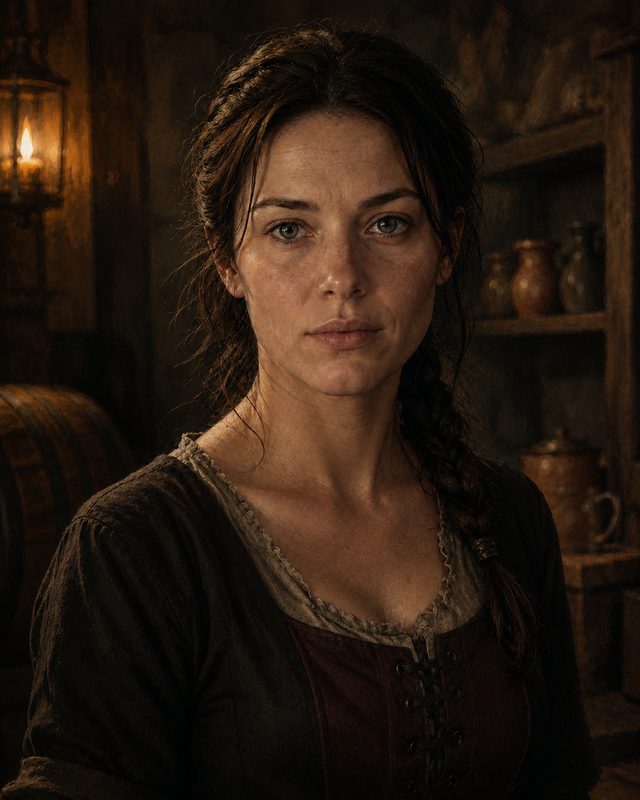
The Alewife
Of the tavern at Lastford
Broad-shouldered, warm and difficult to embarrass, Katya keeps the casks, the cellar and the crowded tables at the heart of the keep. She came from northern Vardena; she built her life here, with Marek. Some people hold the wall. Katya helps give them something to come back to.
Sung in
A Funny Sort of Rebellion · Let the Boys Play Soldier
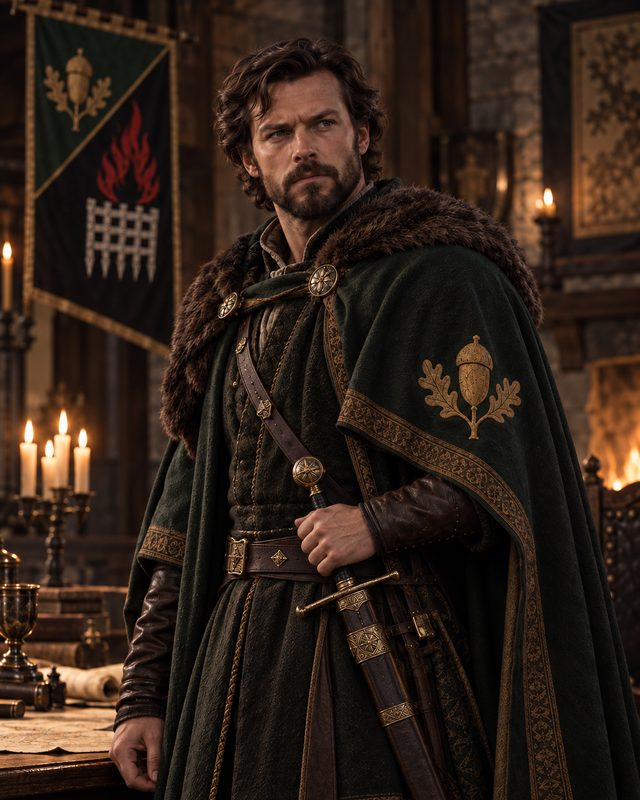
He Did Not Return
Last lord of Blackwatch
Blackwatch had a lord once. When the western towers fell, Lord Roderik went west with his family and a company of troops, leaving his Master of Arms to keep the border until his return. The appointment was temporary. The keep still uses the word.
Sung in
A Funny Sort of Rebellion
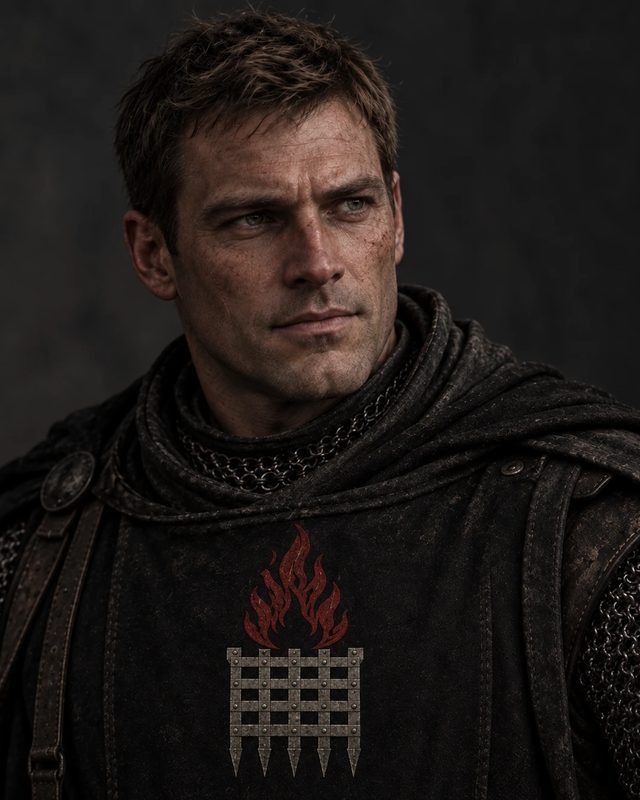
He Kept His Manners
Senior rider of the Watch
He came east for the pay: crown heavy cavalry, discharged, riding with louder men. Katya noticed the quiet one. He stayed. The young riders measure themselves against him now — he knows competence means doing the necessary thing while frightened. And he once carried a living flower home to her, roots, soil and all.
Sung in
No Wound to Show
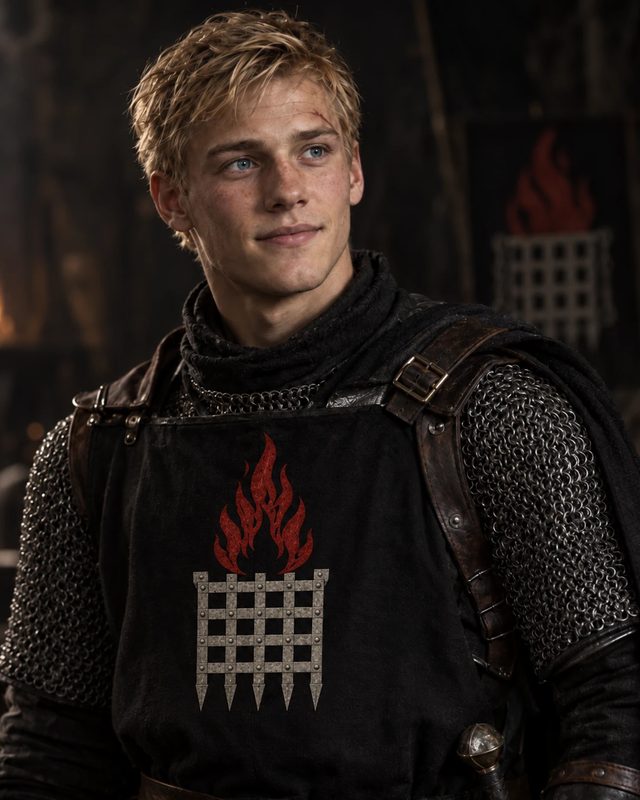
The Young Rider
Rider of the Watch
Nineteen, and enthusiasm has somehow survived contact with Blackwatch. A capable rider, not a boy playing soldier — though his horses, Borek and Orik, are loved without embarrassment. Polite, good-natured, and serious the moment somebody truly needs him. Marek thinks well of him. At Lastford, that matters.
Sung in
No Wound to Show
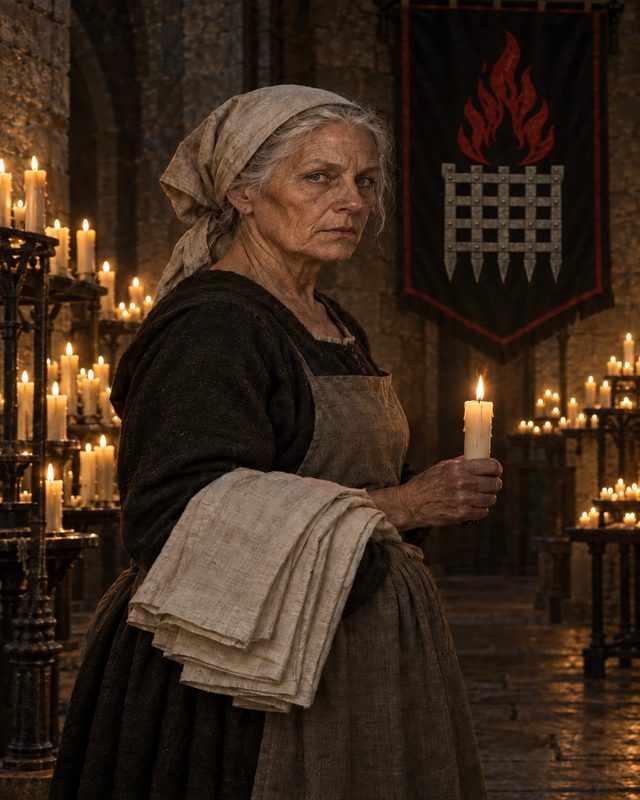
She Knows Everything
Of the chapel and the infirmary
She tends the chapel's candles and linen, washes for the infirmary, and assists at births — when the child is considerate enough to arrive correctly. Neither priest nor physician: the keep runs on people who quietly hold the space between. And nothing moves in Lastford that Marta does not hear of first.
Sung in
Not yet sung
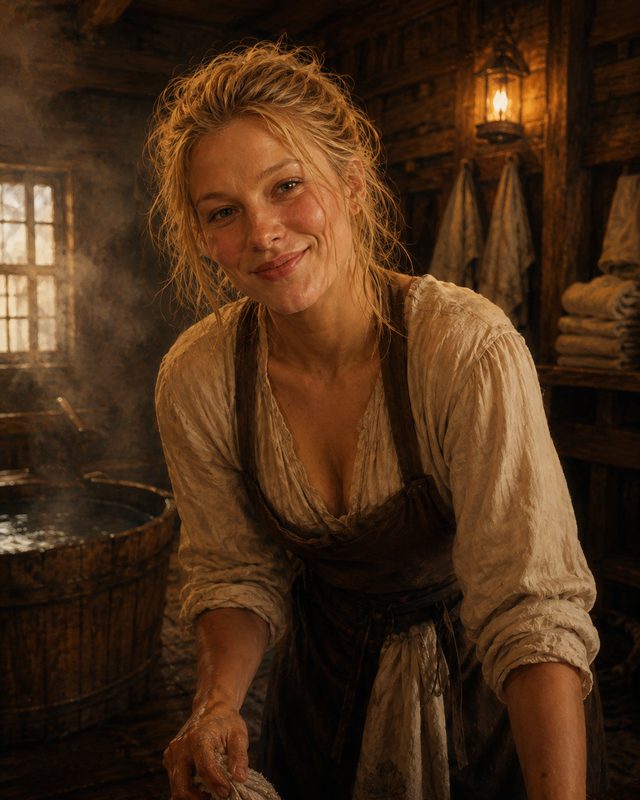
Hello, New Here
Bathmaid of Lastford
Warm, irreverent and almost completely untroubled by anyone's embarrassment, Greta works the bathhouse — one of the strange crossroads of frontier life, where gossip travels faster than horses. She is the first to treat a newcomer as someone who ought to have friends. Anya had barely arrived before Greta linked arms with her.
Sung in
Let the Boys Play Soldier
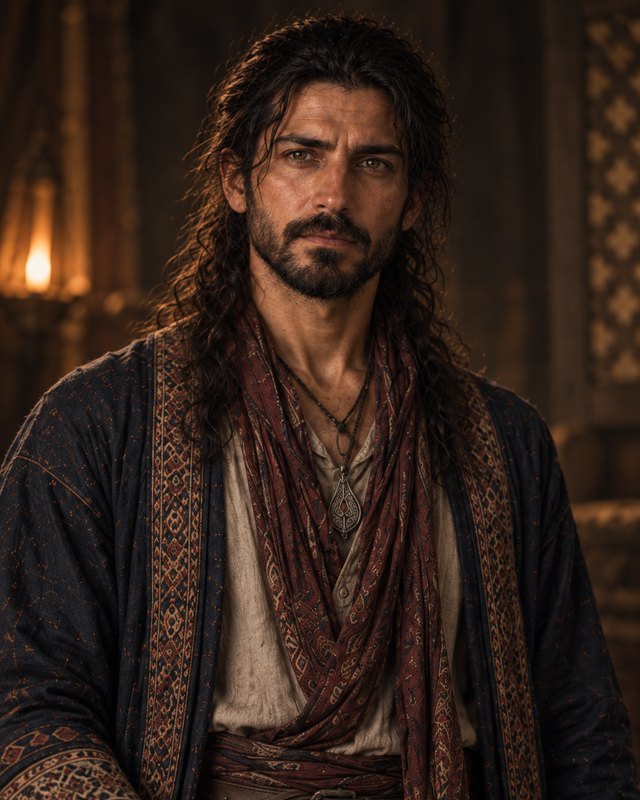
He Had No Country
Travelling bard of Blackwatch
He came out of Persia with a merchant caravan, carrying a lute, a tanbur and enough of twenty tongues to bargain and pray. He passed through Lastford once and did not stay — they seemed a bit busy. He came back. Nobody here asks where a man is from before they ask what he can play. Someone tuned a fiddle, and he never left.
Sung in
A Road With No Country · Let the Boys Play Soldier
The Appearances
Some pass through the chronicle without leaving a name behind. The cards remember them anyway.
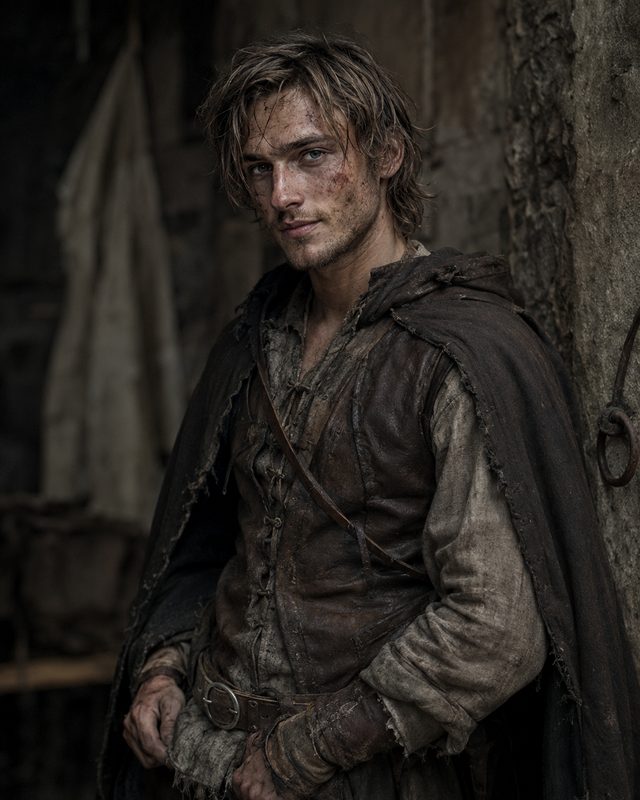
He Spoke No Bargain More
His name was never taken down
Run to exhaustion by the Wolf and brought in alive. Anya cut the rope away and fought the dark three nights until he breathed again — then told him plainly what waited in the yard. He mistook being heard for being pardoned. The bell never called his name. He chose his judgement when Anya spoke the same.
Sung in
The Rider Does Not Tire · She Only Speaks a Name
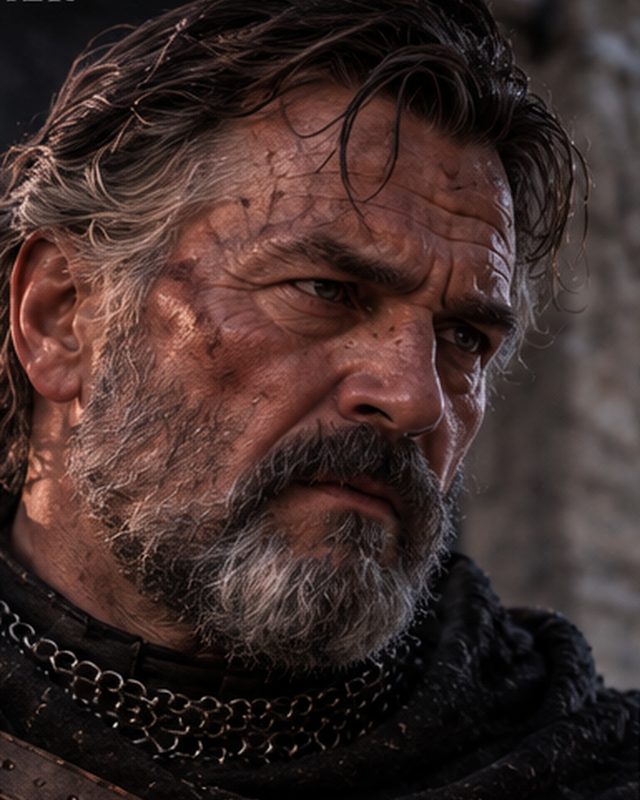
No Wound to Show
The muster lists nothing against him
He came home from every road they sent him down. The muster lists no wound against his name, and the muster is wrong. Some men carry the war where no surgeon can reach it — and the keep is only now learning where to look.
Sung in
No Wound to Show